Our trees sequester carbon, and provide products that support communities. They also do something else that’s pretty special: they give critical species around the world a place to shelter, feed and raise their young.
In many of our projects, wild animals are starting to return to areas where we are planting, and we can’t overstate how wonderful it is to receive wildlife updates from our partners. They’re capturing incredible footage of fascinating (and sometimes downright hilarious!) creatures.
Here’s just some of the wildlife Ecosia trees are enticing back.
Bears (Romania)
In the Carpathian mountains in Romania we’re working with Transylmagica to create groves (food forests) for bears, by planting mast-producing trees (oaks and European beech) and fruit-bearing trees like wild pear, crab apple, wild cherry and cherry plum.
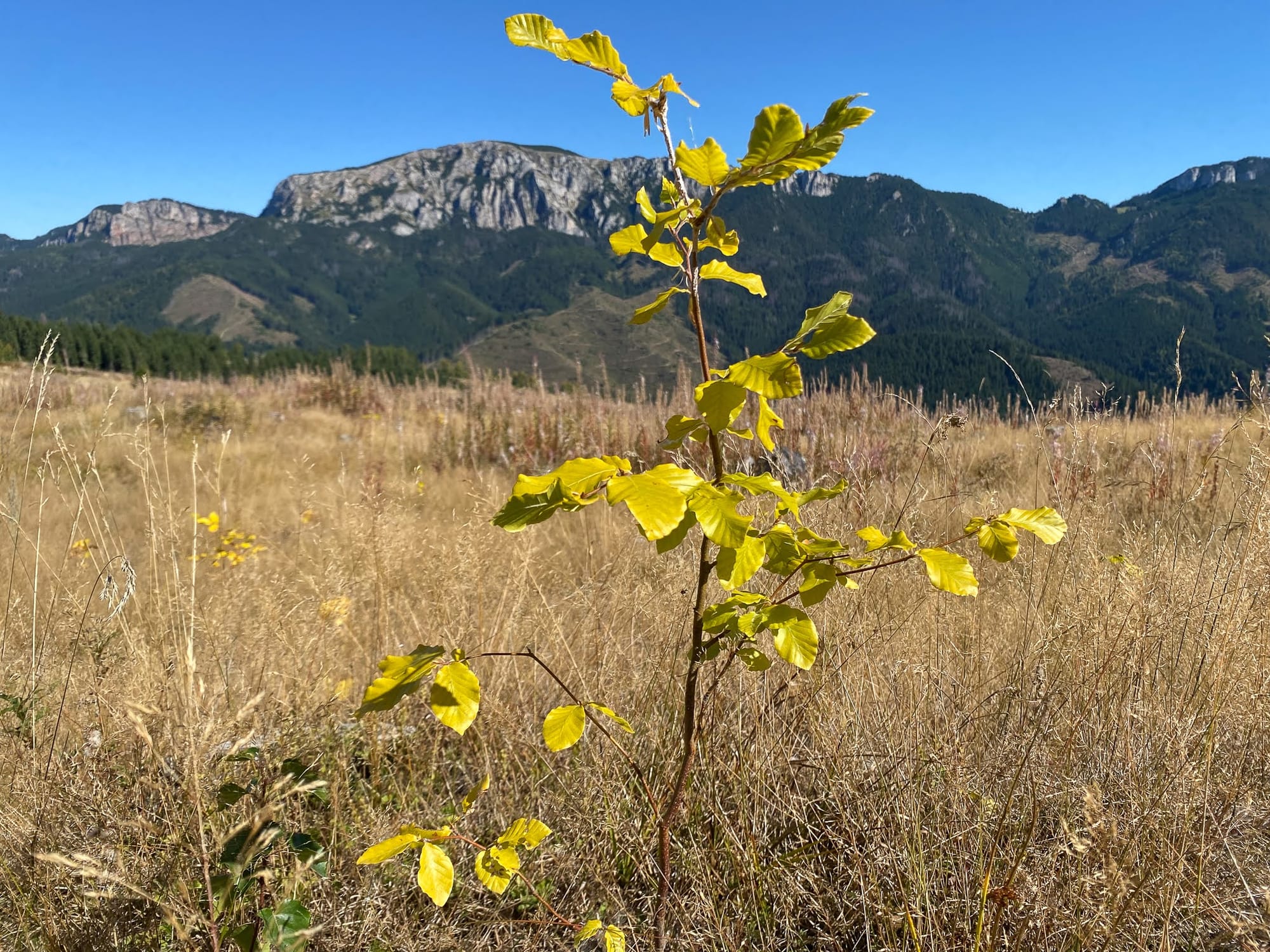
Bears tend to leave the higher parts of the mountains to look for food around the villages in Autumn, particularly younger bears as they fatten up for hibernation. By creating groves for them to find on their way down, we help the bears access abundant food when they need it most, and ensure they stay far from human settlements.
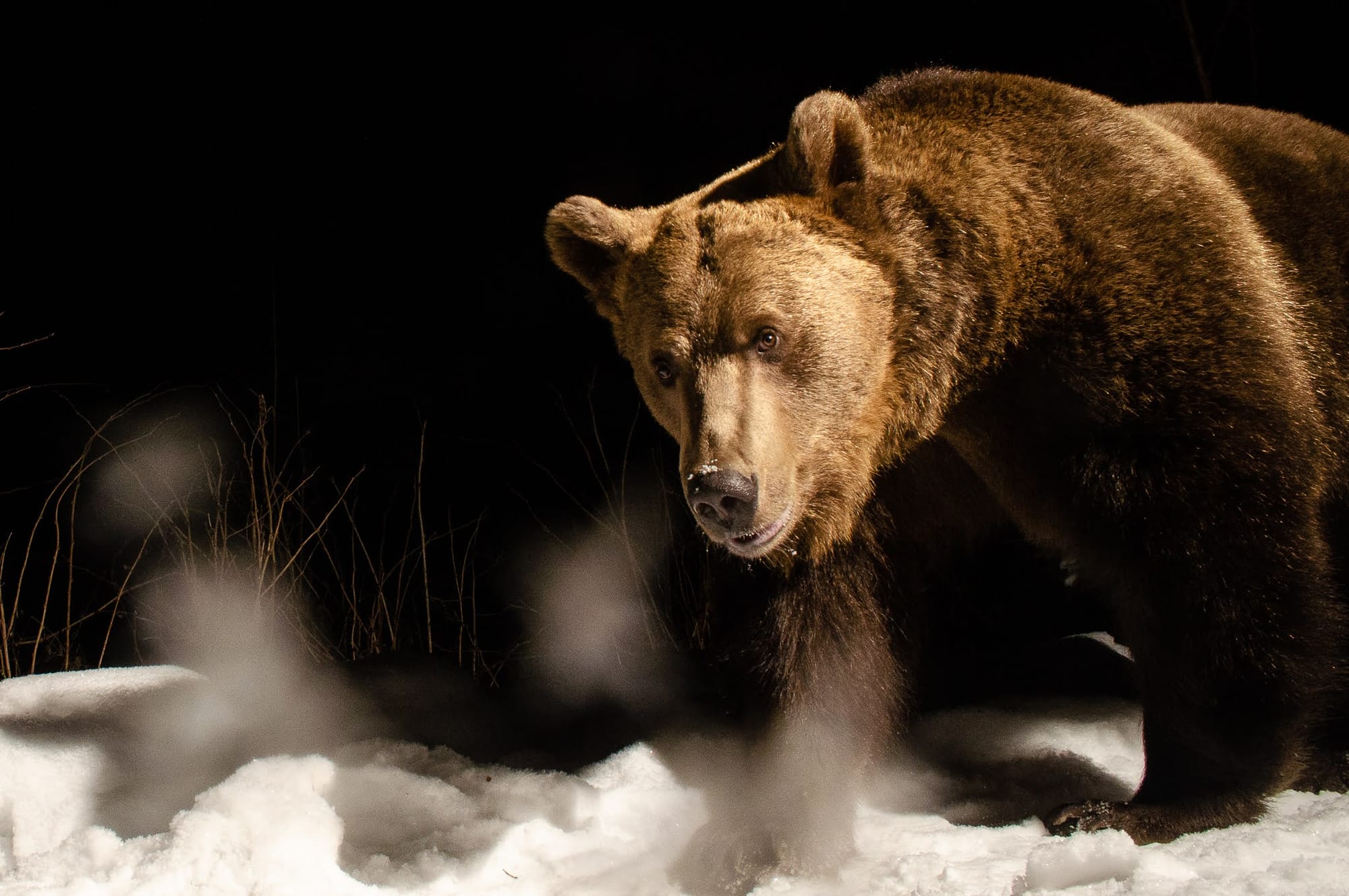
The Transylmagica team has set up game cameras close to the tree planting site which have captured not just bears but an incredible array of wildlife, including curious young fox pups, wolves, red deer, pine martens and lynxes.
Fox cubs and brown bear captured on Transylmagica’s camera trap
Orangutans (Indonesia)
With Yayasan Forum Konservasi Leuser (FKL) / Wildlife Asia in Indonesia, we’re restoring the Leuser Ecosystem in Sumatra using natural regeneration and agroforestry. Former palm oil plantation monocultures are gradually returning to mixed forest, relying on seeds from the nearby forest to grow the new forest naturally. So far almost 1.5 million trees have been grown with this project.
This unique biodiversity hotspot is considered among the most important forests left in Southeast Asia, and is the only place on Earth where orangutans, tigers, elephants and rhinos share the same habitat.
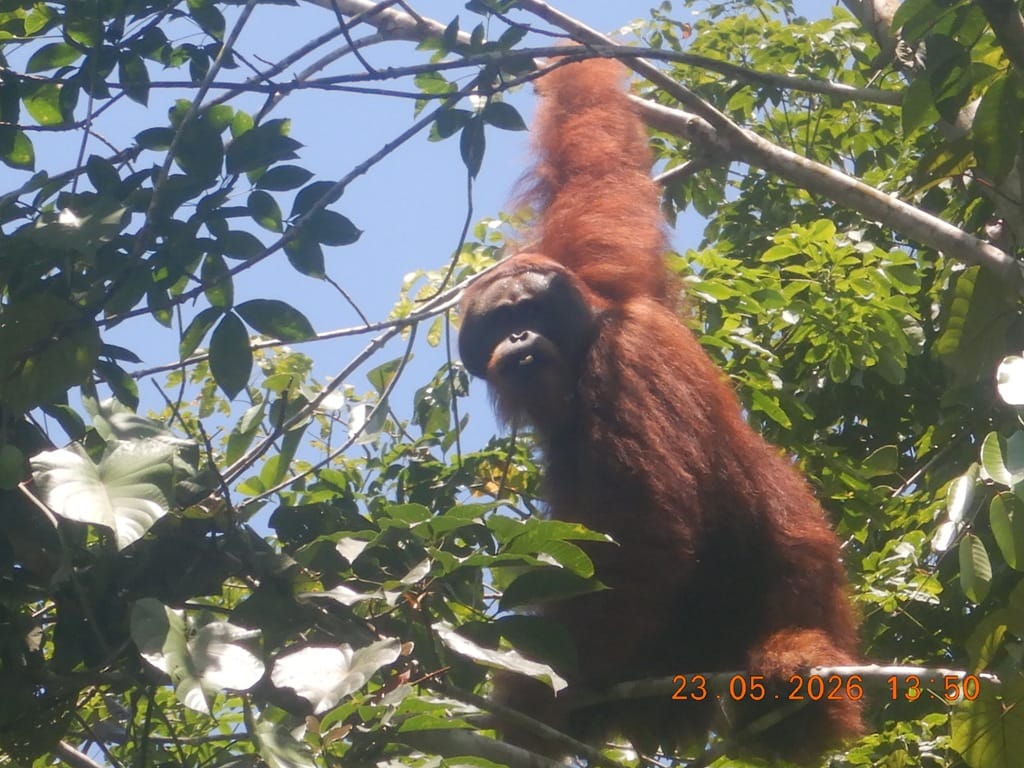
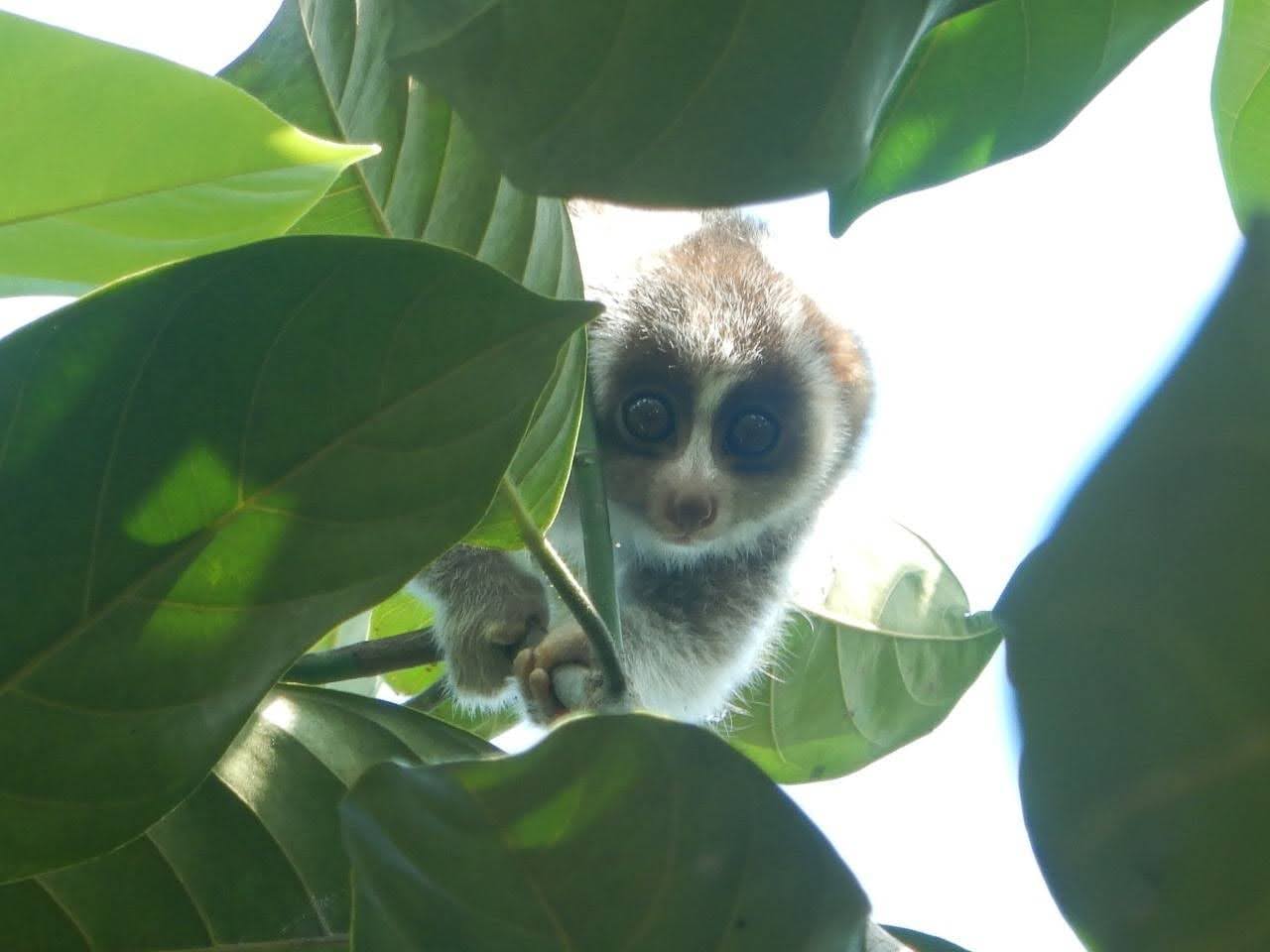
Camera traps at these sites have captured sumatran tigers, gibbons, pheasants, hornbills, slow loris and orangutans roaming the area again, showing that natural habitats support biodiversity and serve the ecosystem.
Jaguars and lion tamarins (Brazil)
In Brazil, we are working alongside our partner Centro de Pesquisas Ambientais do Nordeste (CEPAN) to plant a forest corridor connecting key habitats for endangered primates in the Paraíba Atlantic Forest, including the blond capuchin and golden lion tamarin. This initiative also supports local community members with training to cultivate seedlings, delivering lasting environmental and economic benefits.
We are also collaborating with Instituto de Pesquisas Ecológicas (IPÊ) to reconnect remnant forest patches in the Pontal do Paranapanema. With only 1.85% of the original Atlantic Rainforest remaining, these corridors enable wildlife to travel safely in search of food, shelter, and mates. IPÊ’s ongoing ecological monitoring shows that these connected patches successfully accelerate biodiversity recovery across fragmented landscapes.
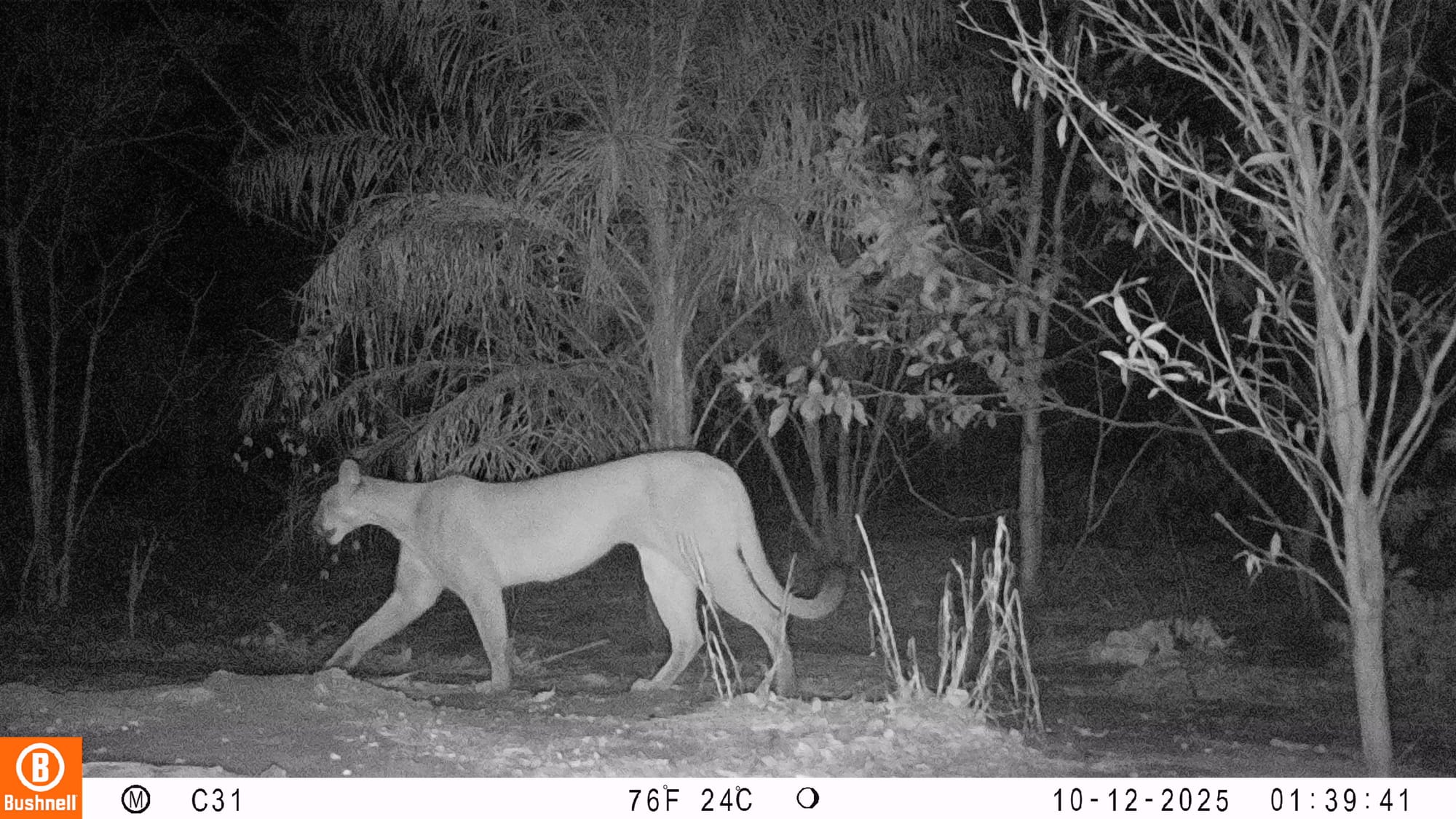
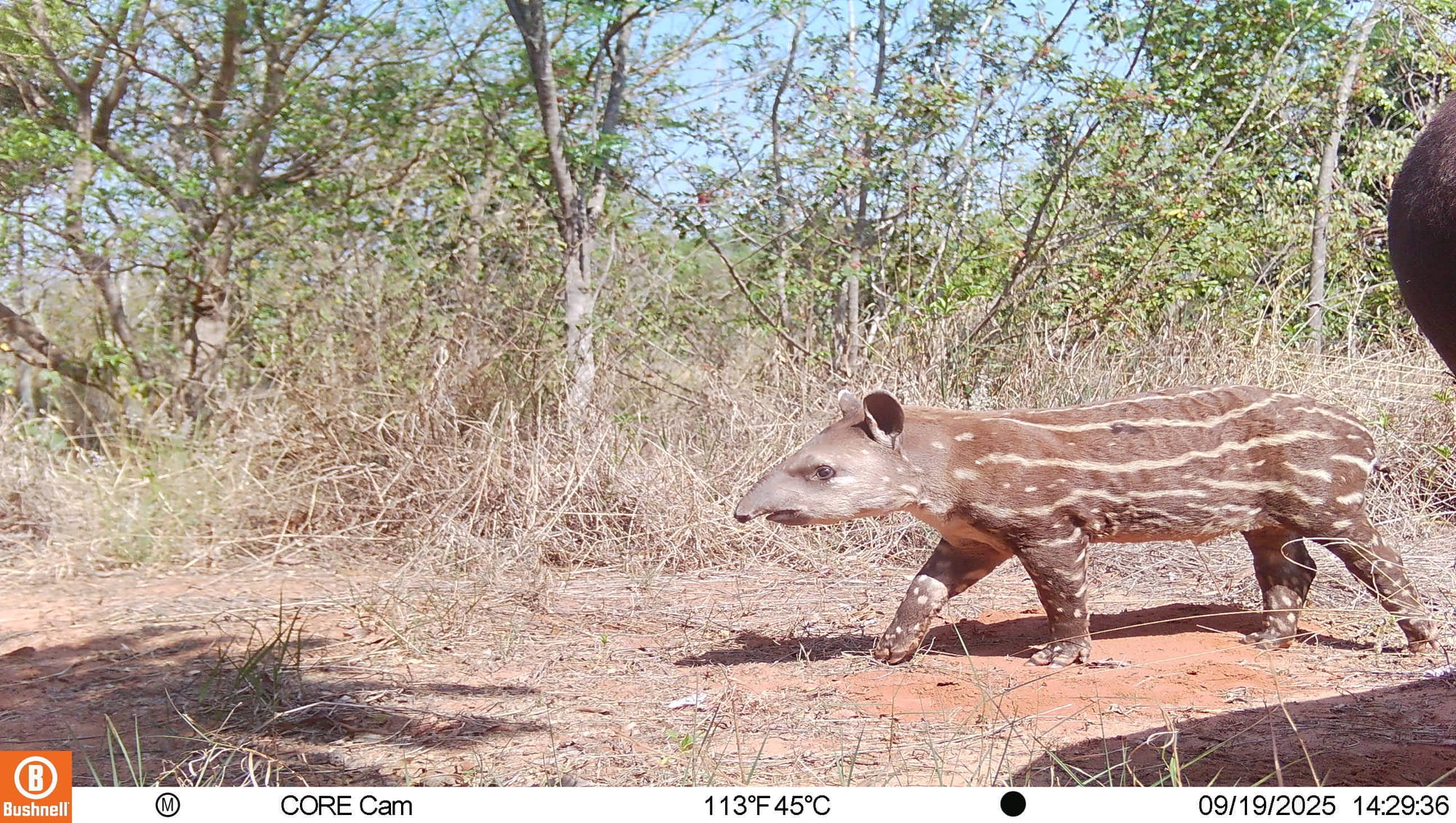
The restored corridors are expanding vital habitat for rare and threatened species such as the black lion tamarin, found nowhere else on Earth, alongside jaguars, ocelots, pumas, tapirs, collared peccaries, king vultures, and the blue-and-yellow macaw.
Lemurs (Madagascar)
Madagascar is a true biodiversity hotspot, home to over 200,000 species found nowhere else on Earth. Among them are lemurs, wet-nosed primates that are endemic to the island, and which have diversified into more than 100 species. But as the island’s forest has been broken into patches, lemurs have become increasingly exposed to fire, disease and inbreeding.
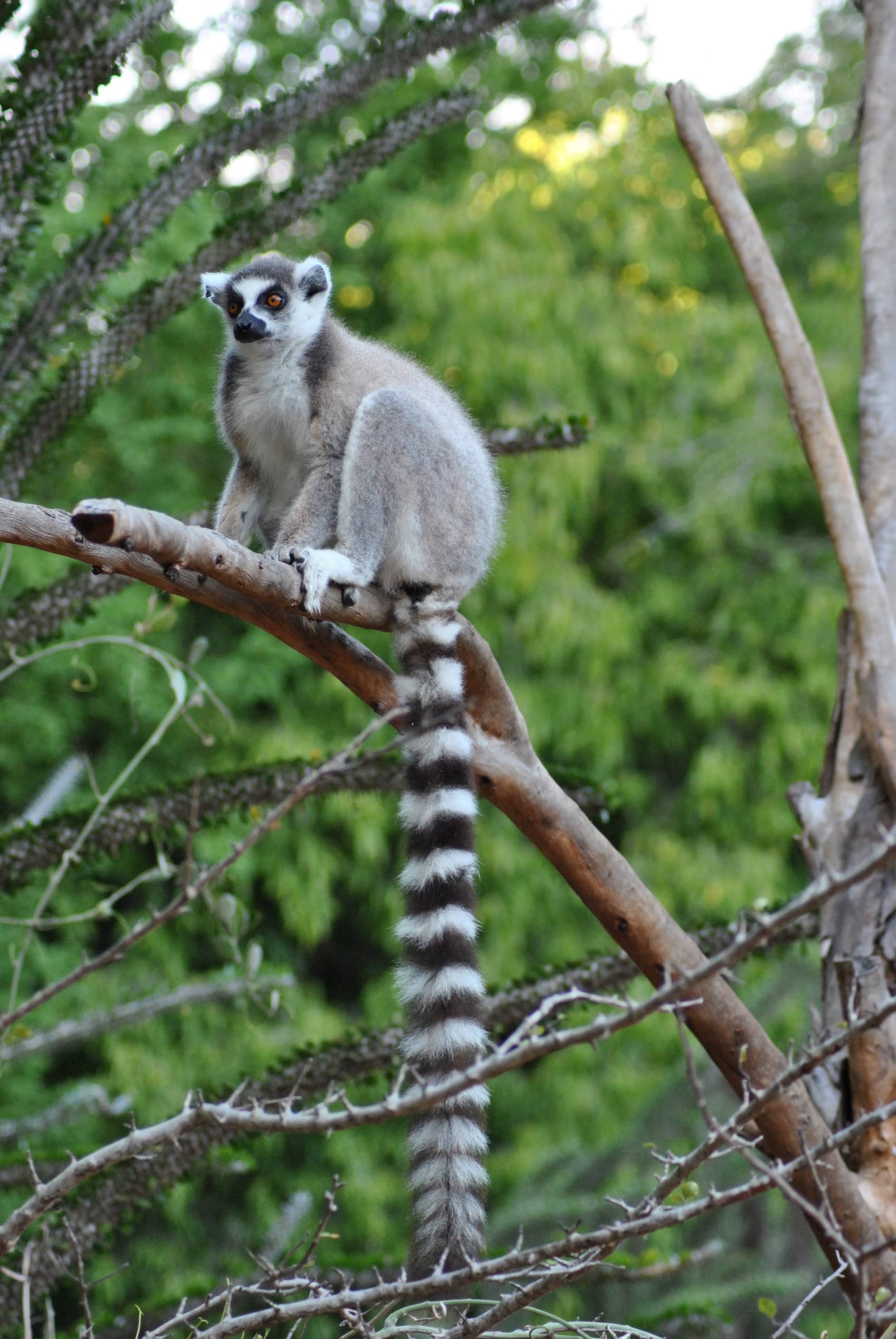
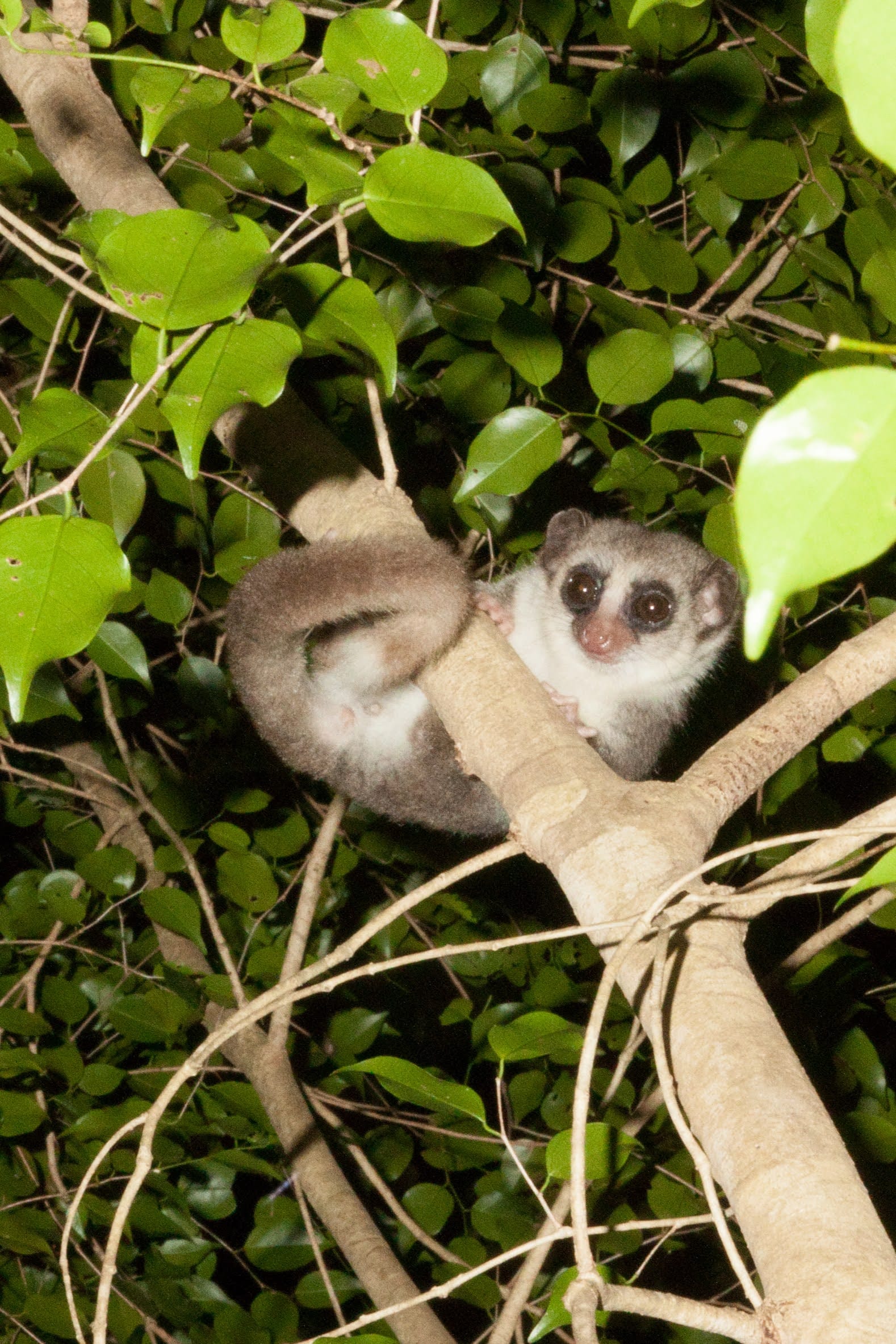
Ring-tailed lemur (Credit: Silvia Battisti), Lavasoa dwarf lemur (Credit: Jacques Rakotondranary)
Our partners Tropical Biodiversity & Social Enterprise (TBSE) are planting trees alongside communities to connect remnant forest patches and restore habitat for precious wildlife, including seven species of lemur. With two decades of experience restoring local flora, TBSE is working in an area that is a top priority for lemur conservation.
Thanks to these new corridors, animals can now roam from one patch of forest to another in search of food and mates, carrying pollen and seeds with them as they go.
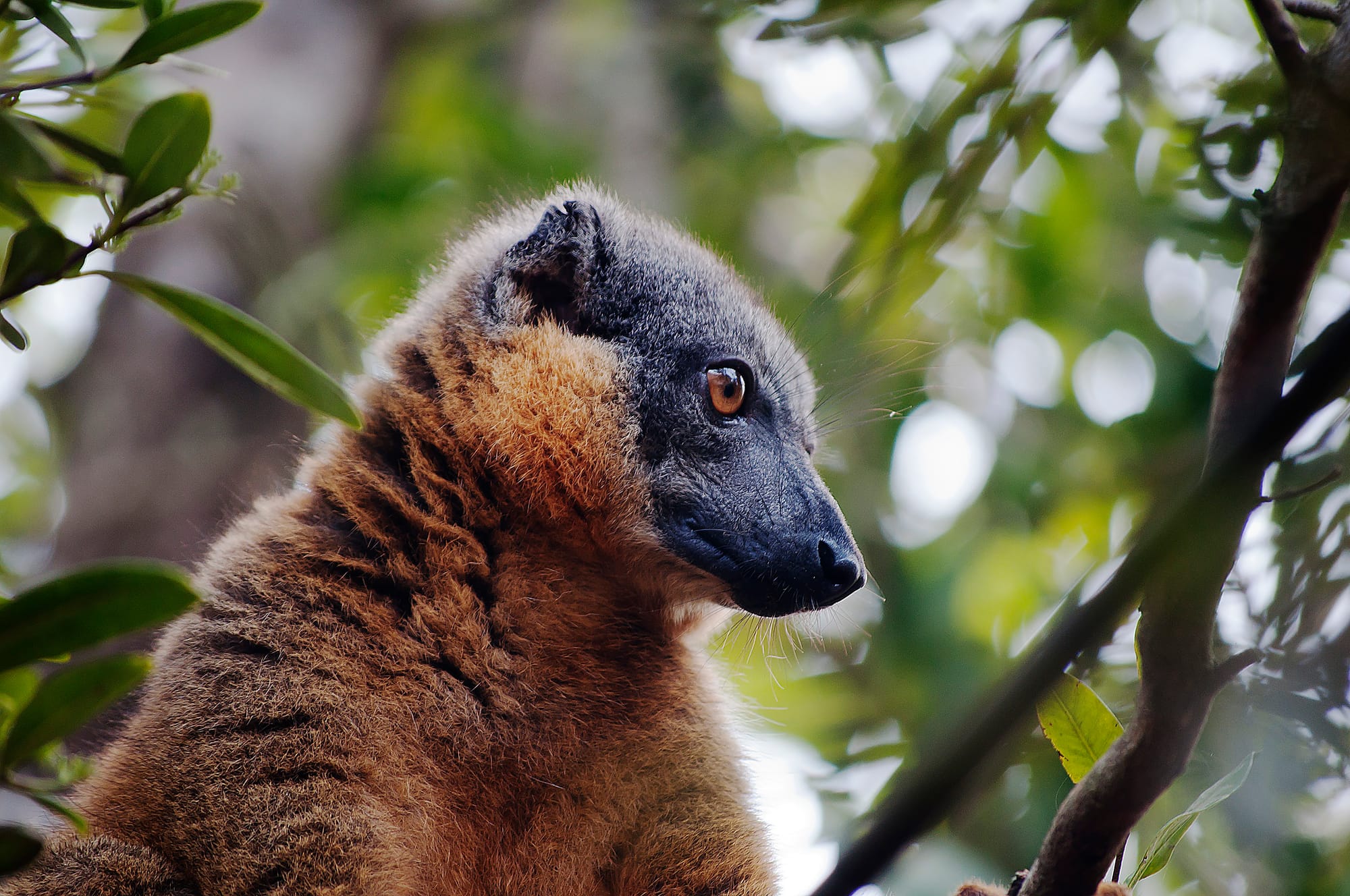
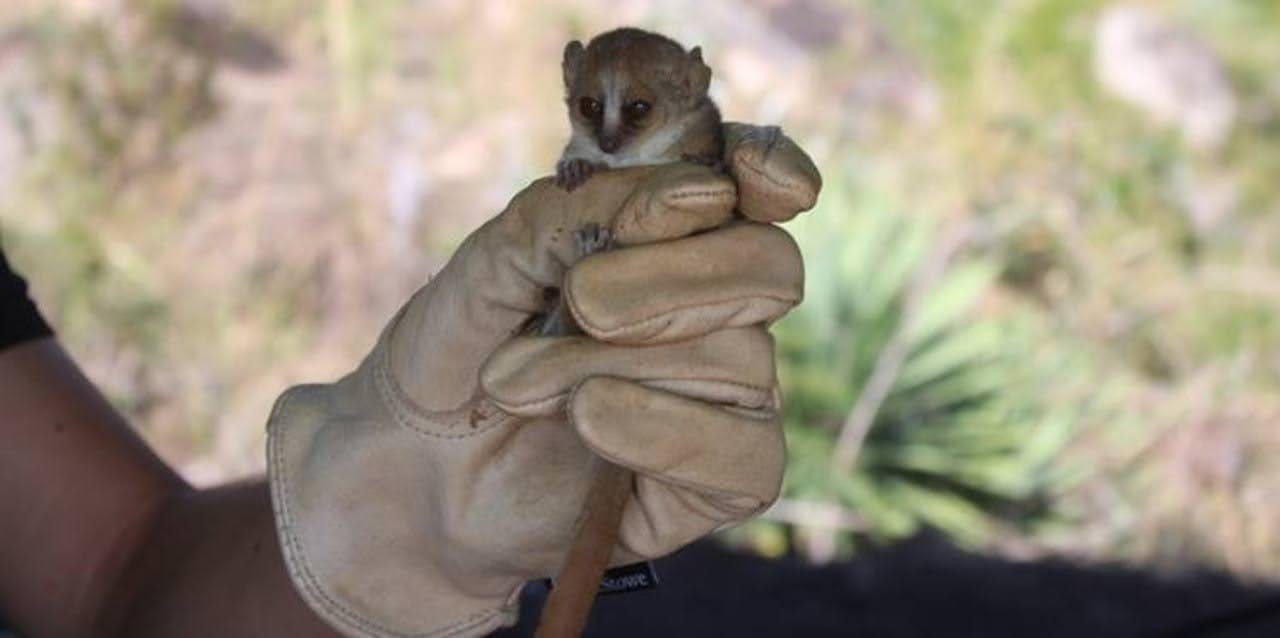
Collared brown lemur (Credit: Marco Campera), Mouse lemur - TBSE
Chimpanzees and gorillas (Uganda/Tanzania)
Only 5000 chimpanzees remain in Uganda, and their habitat is shrinking due to a growing demand for charcoal and firewood. Forced out of the forest in search of food, chimps end up in conflict with farmers. We’re working with the Jane Goodall Institute in Uganda – and more recently Tanzania too – to plant tree corridors that connect remaining forests so chimps can safely move between them to forage for food or search for mates. Combined across these two projects we have planted over 3.2 million trees and have 59 nurseries growing native species.
The Jane Goodall Institute’s work is twofold: educating young people about the importance of trees, and planting corridors between forest patches so chimpanzees can move freely once more. As the forest returns, so do reliable water sources for nearby communities.
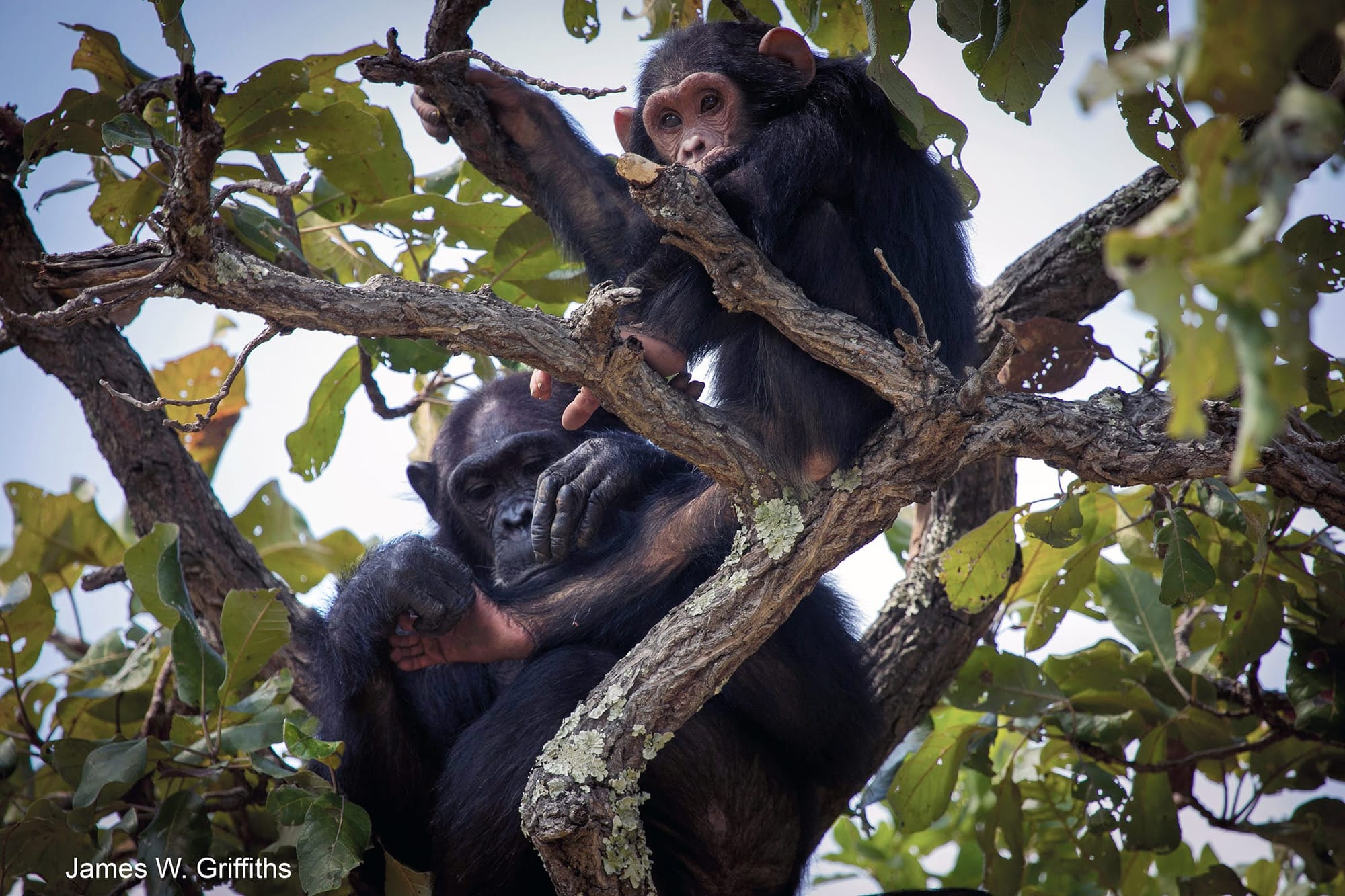
In the region of Bwindi, we’re protecting the habitats of gorillas. Bwindi is home to about 450 mountain gorillas, close to half the world’s remaining population, and while their numbers are growing, their forest isn’t.
We’ve partnered with Change A Life Bwindi Association to restore buffer zones around the Bwindi Impenetrable forest, creating gorilla corridors as well as livelihood opportunities. If people can find the trees they need for medicine, firewood and crafts outside the park, they have less reason to cut the trees inside it. It’s a project where the trees protect the gorillas and the community at the same time.
If the paw fits…
Sometimes we know wildlife has been in the area thanks to the footprints they leave behind.
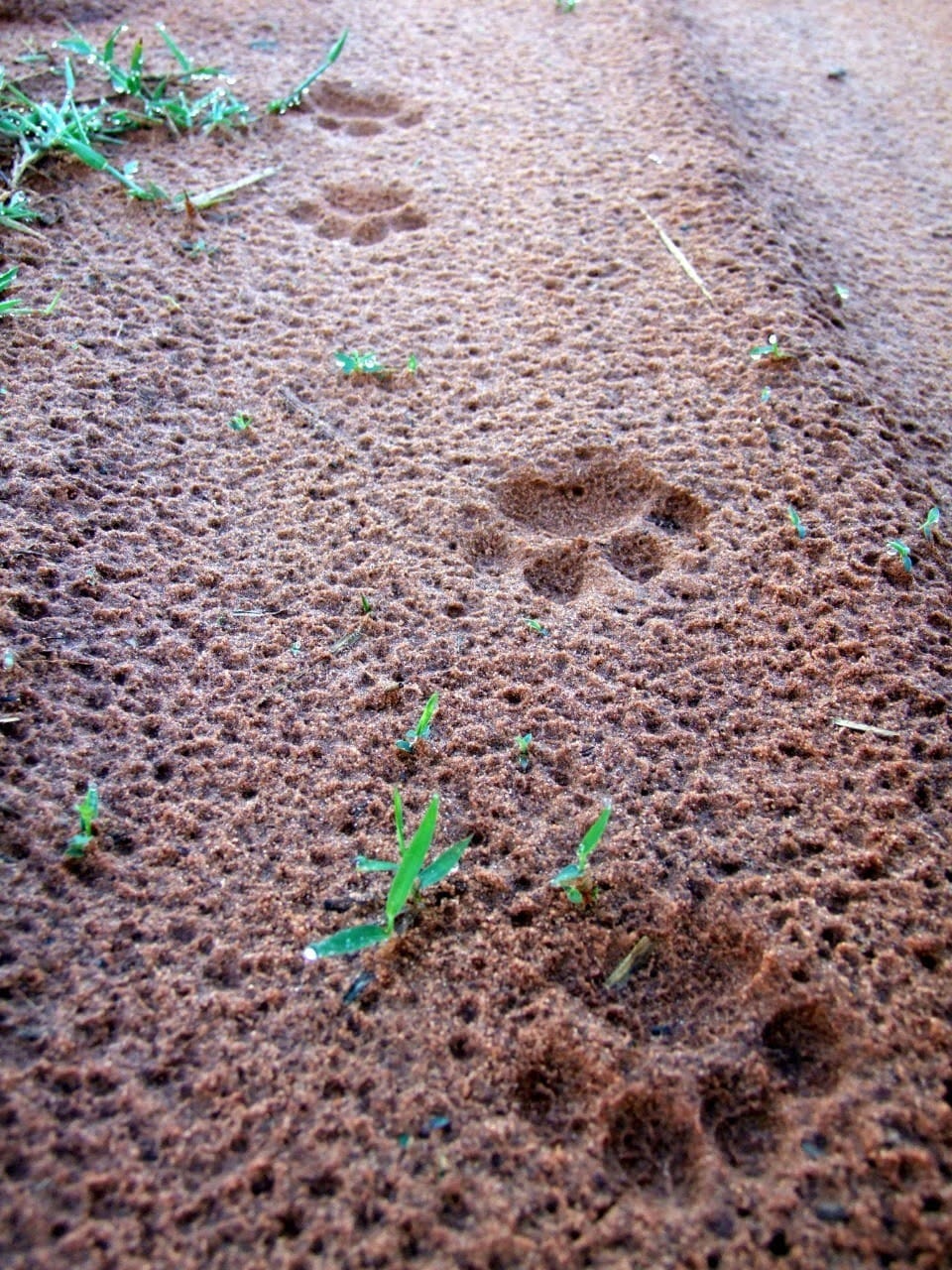
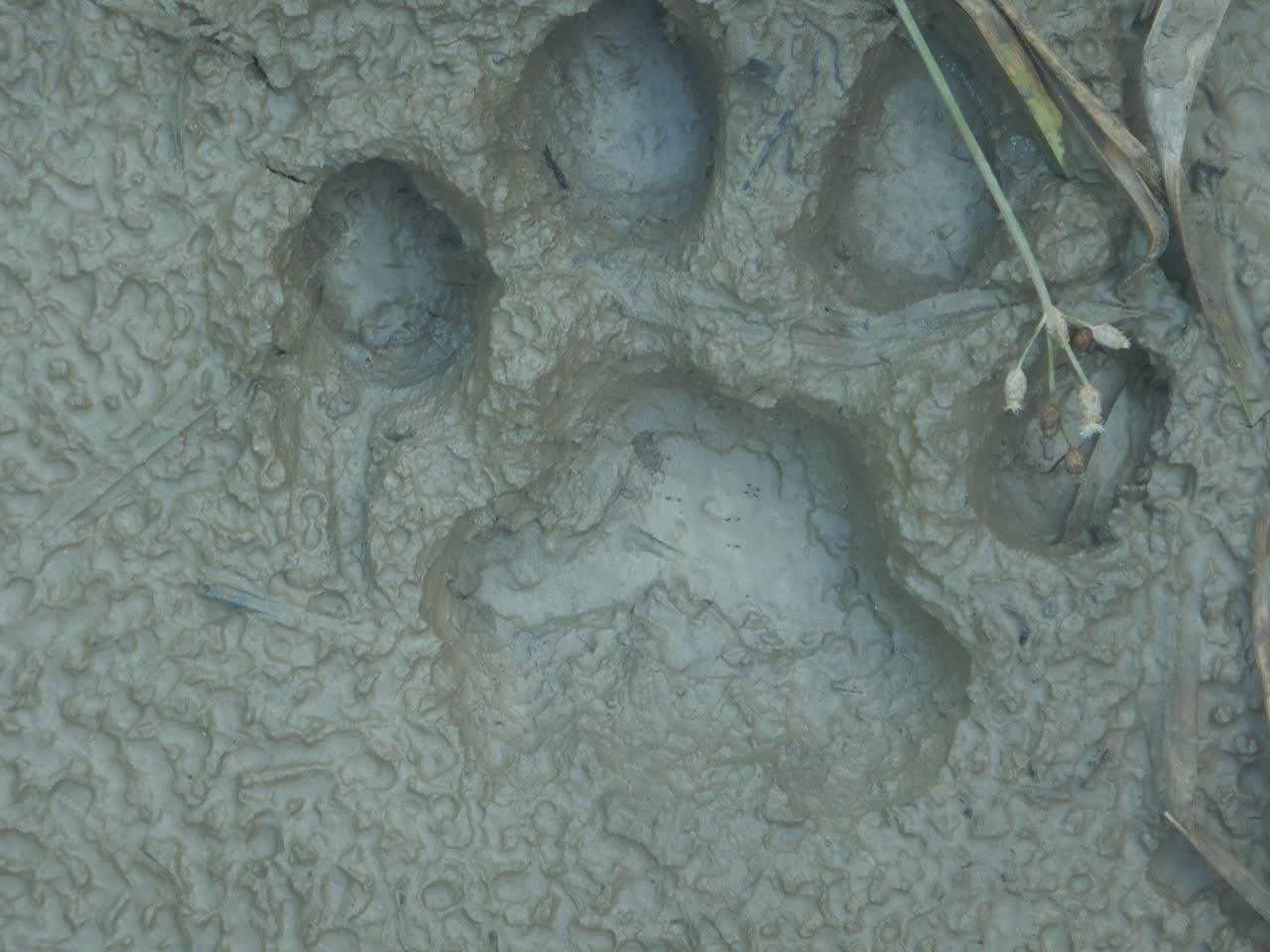
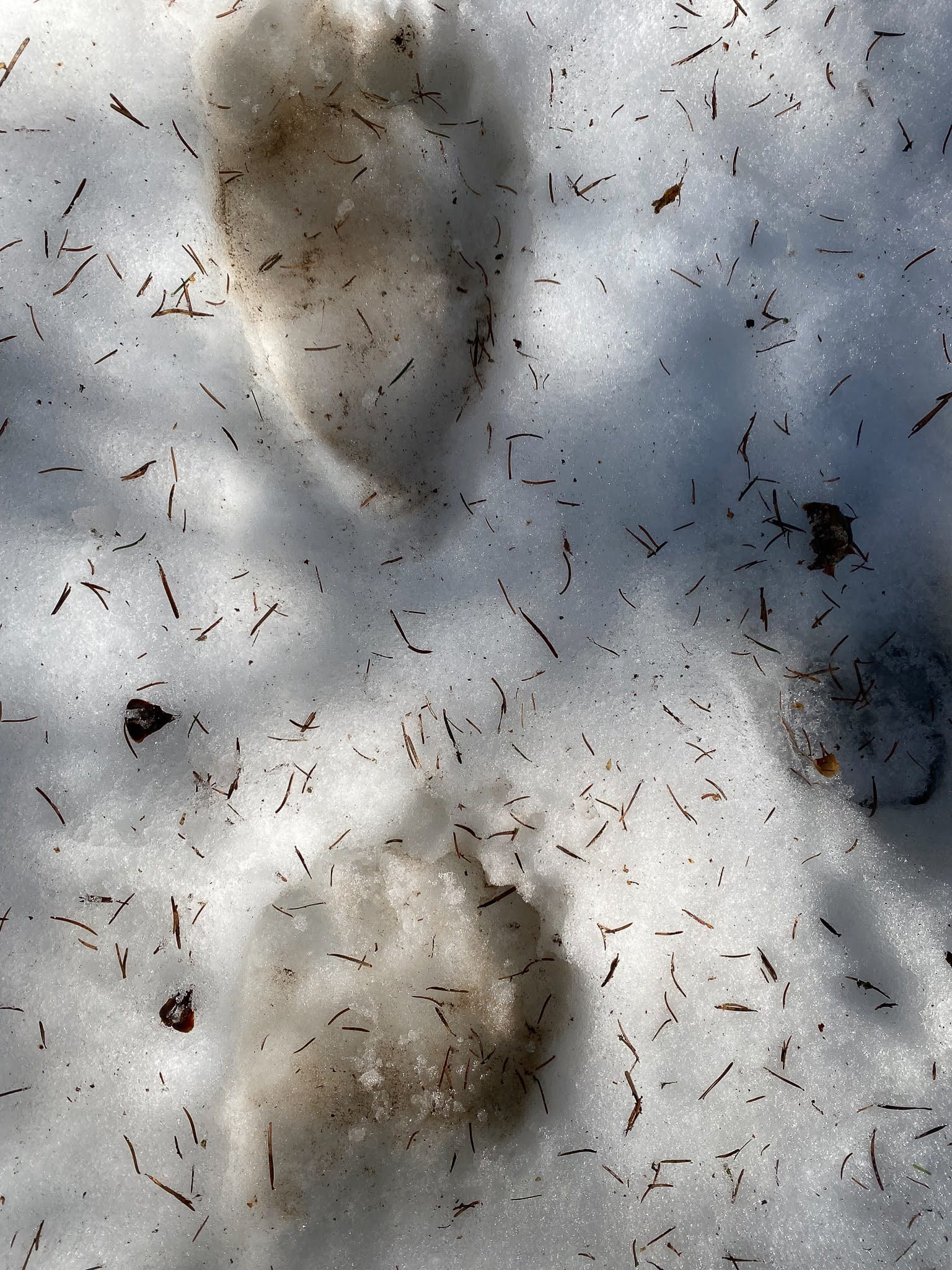
Jaguar prints in Brazil - IPÊ; Sumatran tiger print in Indonesia - FKL; Brown bear prints in Romania - Transylmagica
Your support makes a difference
Planting a tree is never just planting a tree. Trees provide food for a hungry bear, a bridge for a lemur, or a renewed home for a primate. The return of these incredible species is tangible proof that our collective efforts are working.
None of this is possible without our dedicated partners on the ground, the communities planting and monitoring each sapling, and everyone who uses Ecosia.
So the next time you search, picture a young bear discovering a fruit grove, a jaguar roaming freely through a newly restored Atlantic Forest corridor, or a black lion tamarin leaping through restored rainforest canopy. Together, our everyday searches are building a wilder, more resilient world.
