When our Social Media Lead Harriette landed in Kigali with Tree Planting Officer Antonia, she wasn’t sure what to expect. She discovered the tension around planting natives vs exotic species, learned that pushing a bus out of a landslide is seriously hard yakka, and experienced the warm hospitality of communities whose lives are being transformed by smallholder agroforestry.
She shares her experience here:
Where did you go and which project did you visit?
I visited our project with One Acre Fund (OAF) in Rwanda. Antonia and I flew into Kigali then drove south to Huye. From our base there we visited villages in three different regions where we’re working with local farmers on an agroforestry project to plant seedlings around their private properties.
What did a day on-site look like for you?
We’d leave early in the morning to drive to a village where we’d meet farmers participating in the program. They toured us around their farms, showing us seedlings they planted recently (in November 2025) as well as from previous years. Some have trees going back to 2020, when the project started.
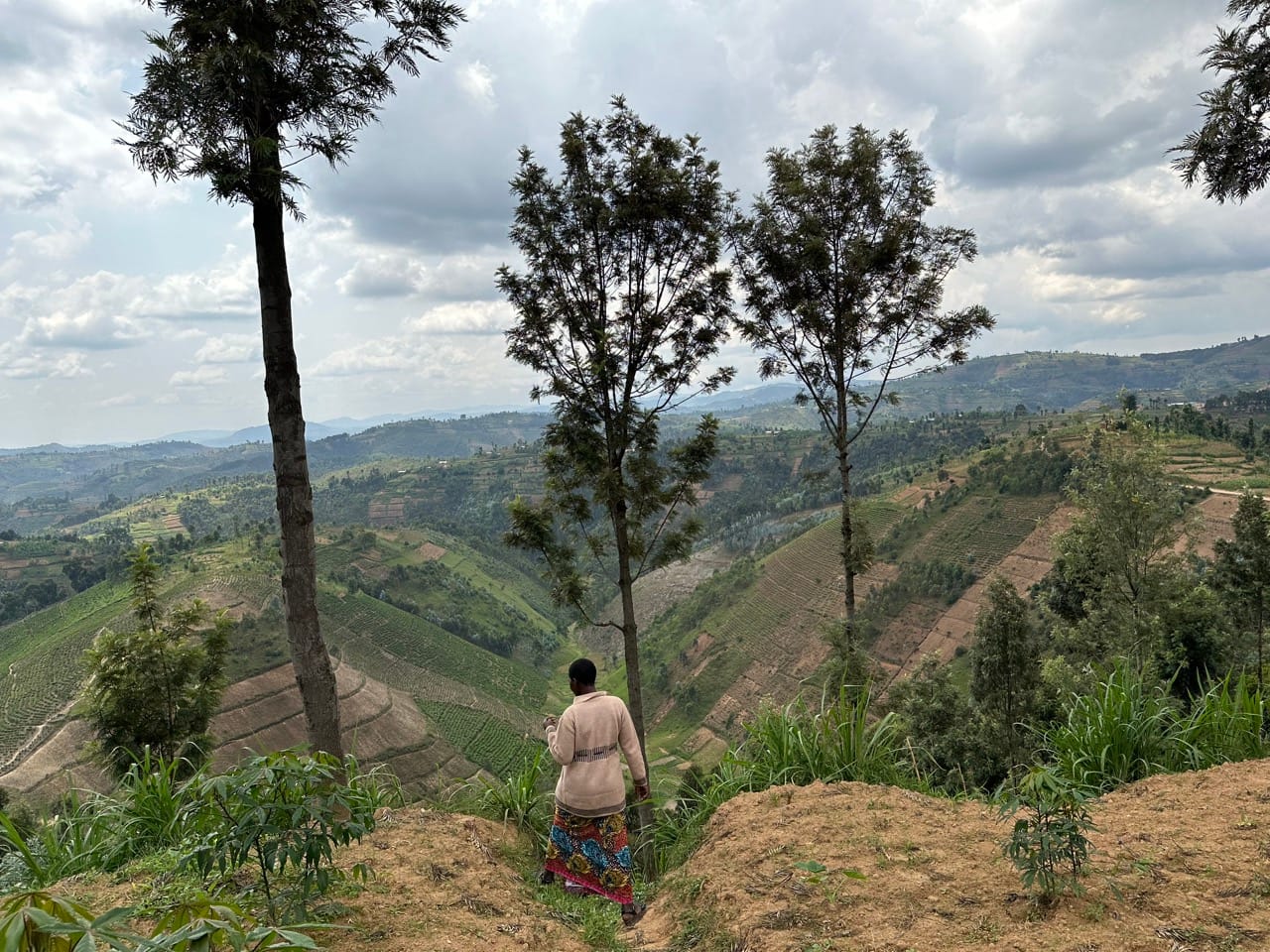
They showed us different species, how they're growing, and the benefits they’re seeing – particularly improved soil quality and erosion prevention. Landslides are a big problem in Rwanda, and the trees help stabilize hillsides. They also boost harvests, making farms more productive and profitable.
What surprised you most about the project?
The scale! Each farmer only plants 10 or 15 seedlings per year on their small farms. But we work with over 100,000 farmers, so it adds up to a huge number of trees and a huge impact on livelihoods.
We heard lots of amazing stories about farmers with excess food who can now sell the surplus to buy livestock. This is often their life savings plan – buying a goat for the family is an investment in their future. They can also pay for things like school supplies and healthcare, so it's making a real difference.
Can you describe a specific moment that stuck with you?
Driving back to the hotel on our last day, we got caught in intense rainfall that caused a massive landslide. It blocked the road and we were stuck in traffic for hours and ended up helping push our bus out of the mud! Rwanda is so hilly that landslides can be dramatic and destructive. Seeing it firsthand really drove home the importance of our work planting trees to stabilize hillsides and protect communities.
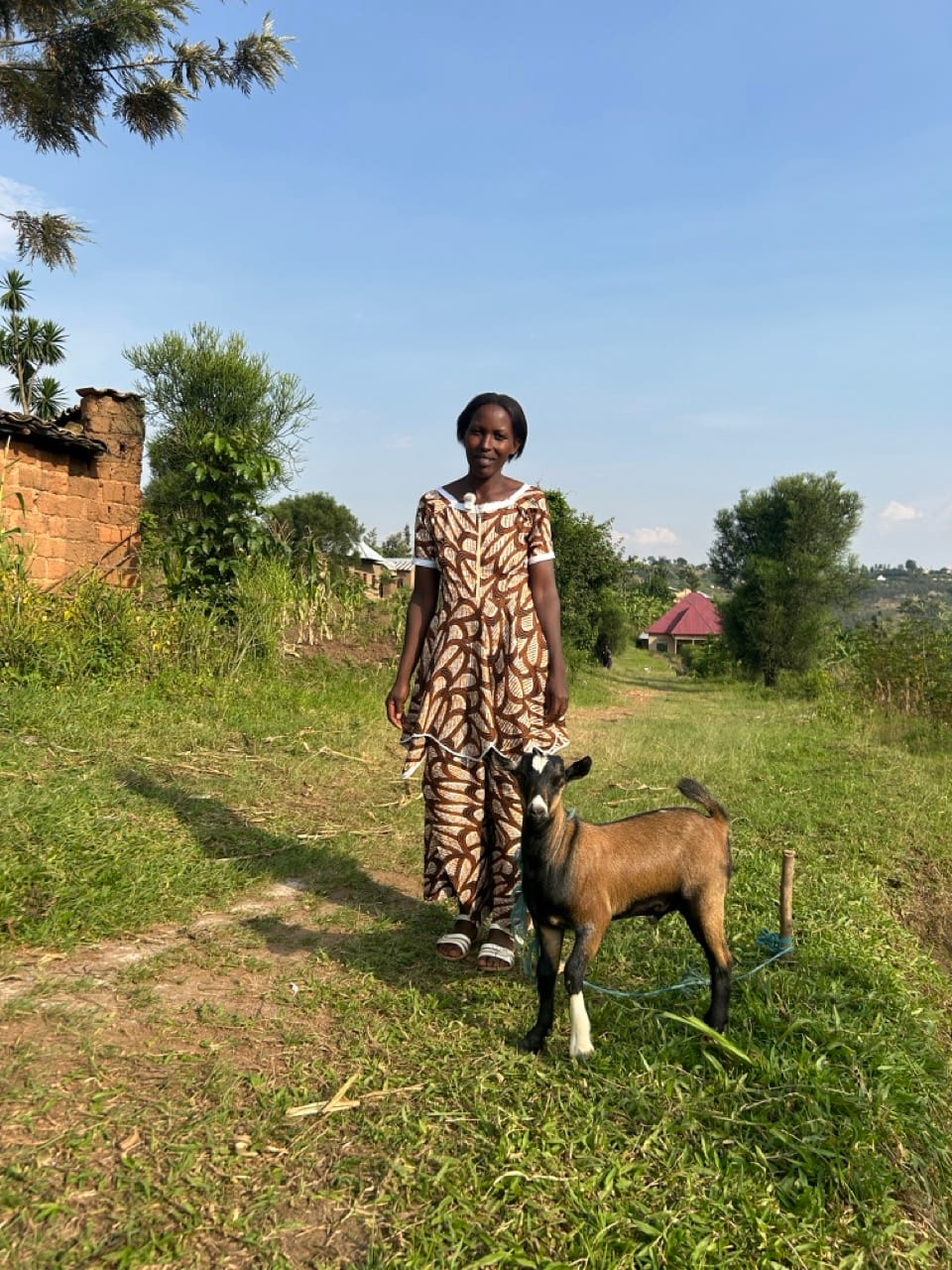
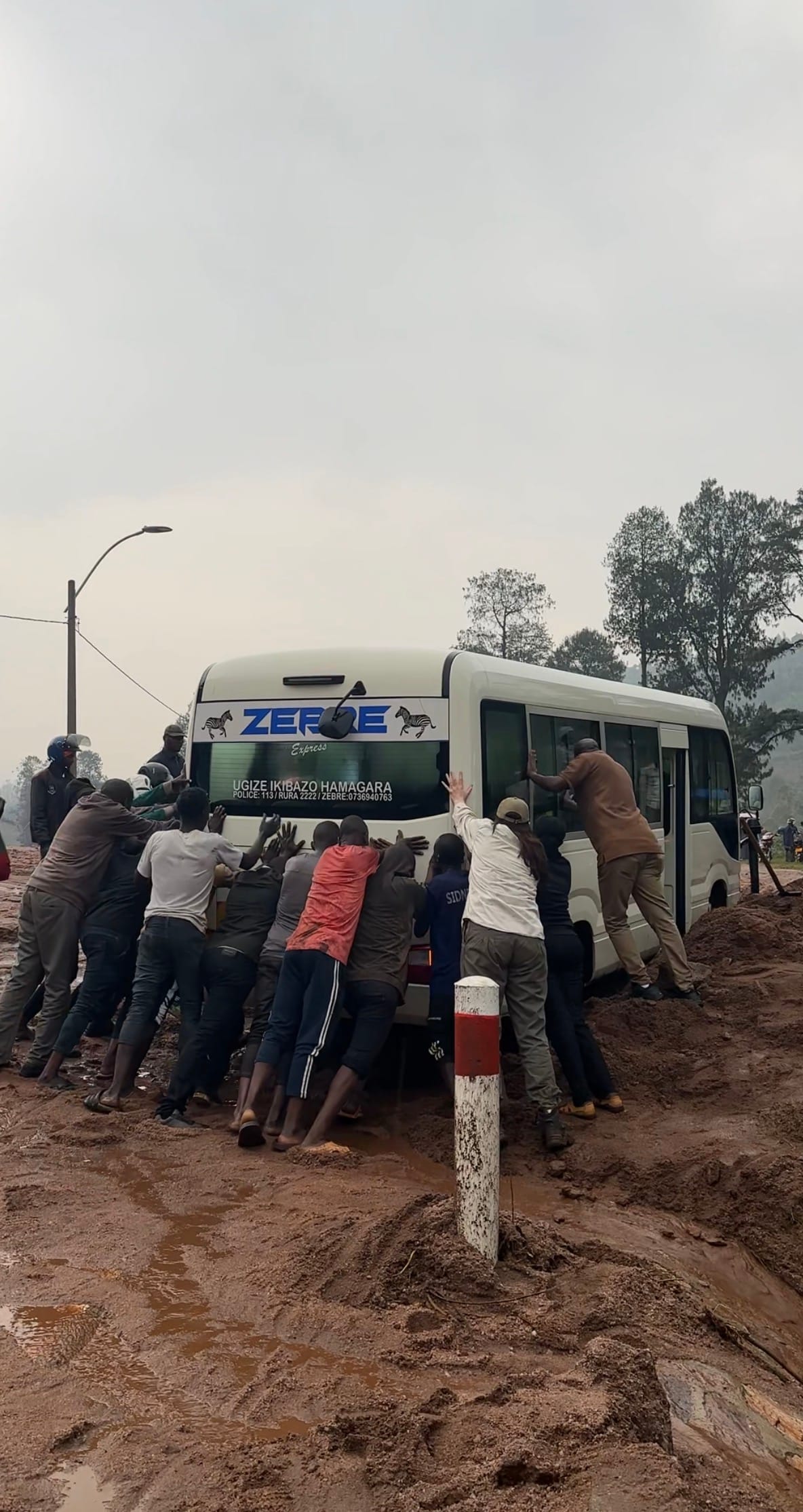
A villager with their goat; Pushing the bus out of a landslide
What did the local team or community have to say about the project's impact?
One Acre Fund is one of the leading organizations supporting smallholder farmers in sub-Saharan Africa, so they really have it down to a science. To give you an idea of the scale: in 2025 they served 5.6 million farm families through programs and partnerships, as well as supplying fertilizer and seeds to help farms become more productive.
The communities were also overwhelmingly positive about accessing free seedlings and what it's doing for farms and families.
What challenges is the project facing?
One interesting tension is the debate between planting native versus exotic species. The main tree species for this project are Markhamia lutea (native) and grevillea (a non-invasive exotic). Farmers like grevillea because they are fast growing, the top branches can be harvested to grow climbing beans, and the wood sold for firewood, so it’s very profitable.
We prioritize native species like Markhamia, so we’re working hard with One Acre Fund to make native tree planting more enticing. One thing they're doing is hosting a native tree festival each year where villagers compete for the most planted and best survival rates. The winning village gets prize money. We met some of last year’s winners and they had used the money to buy every family in their village two chickens.
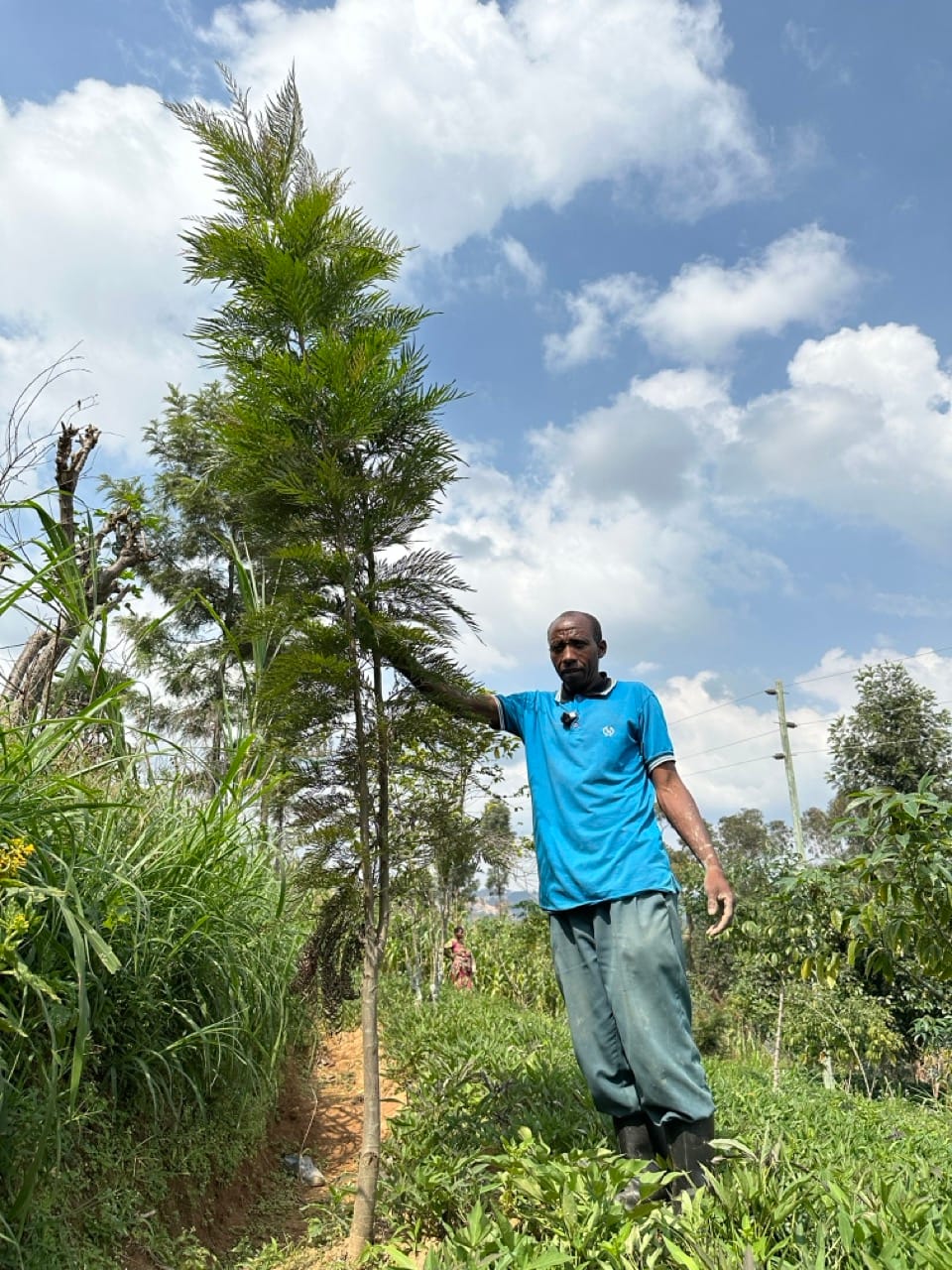
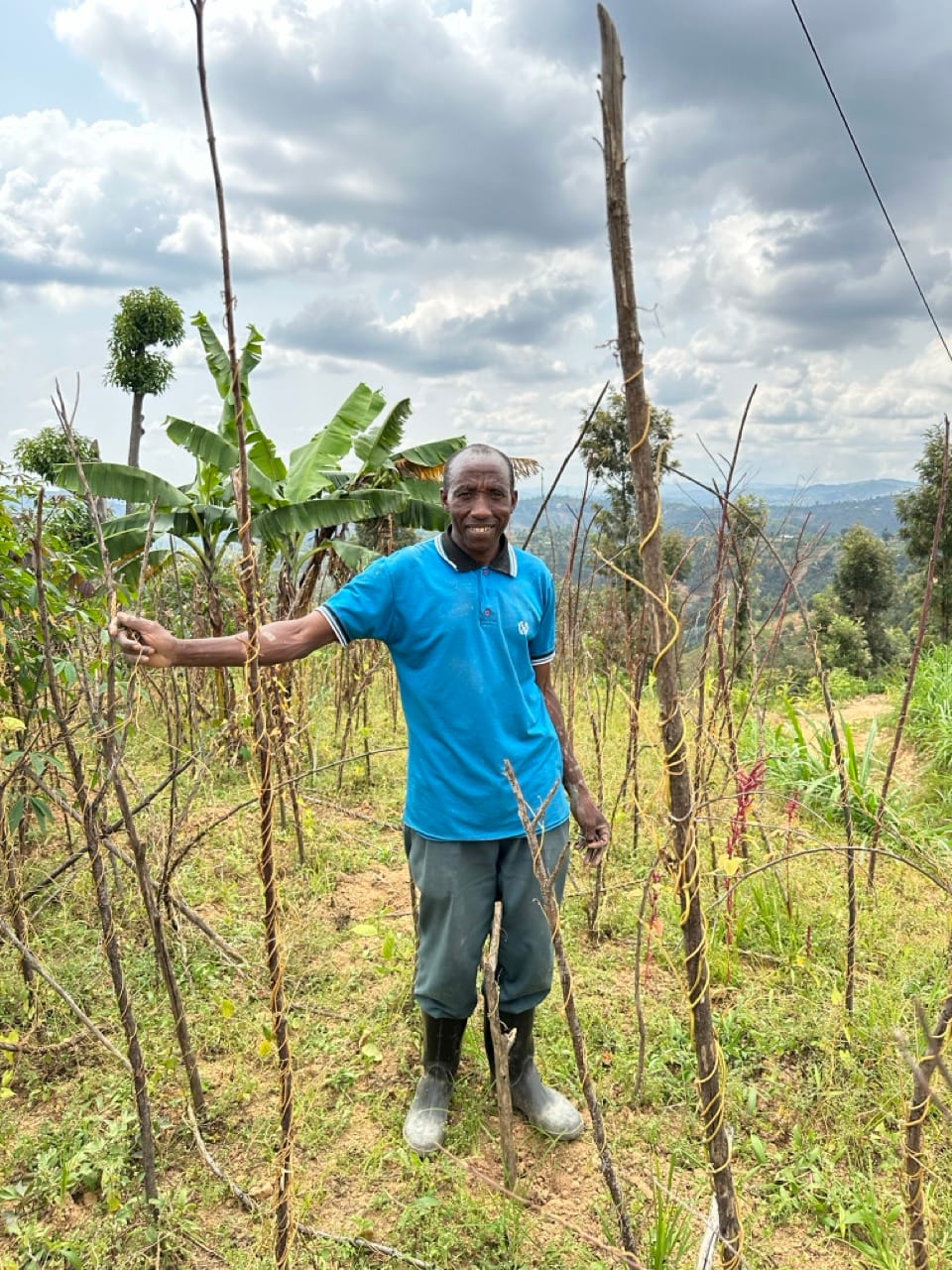
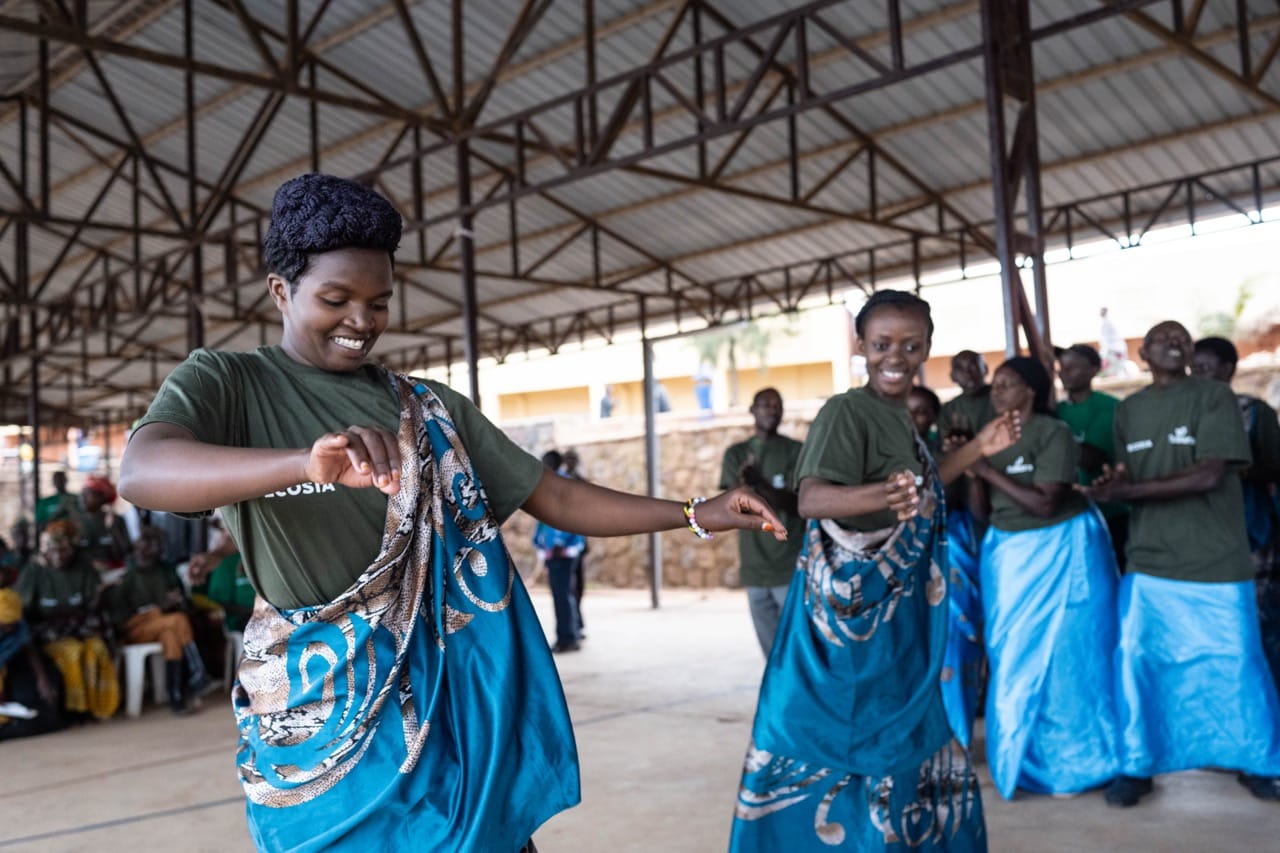
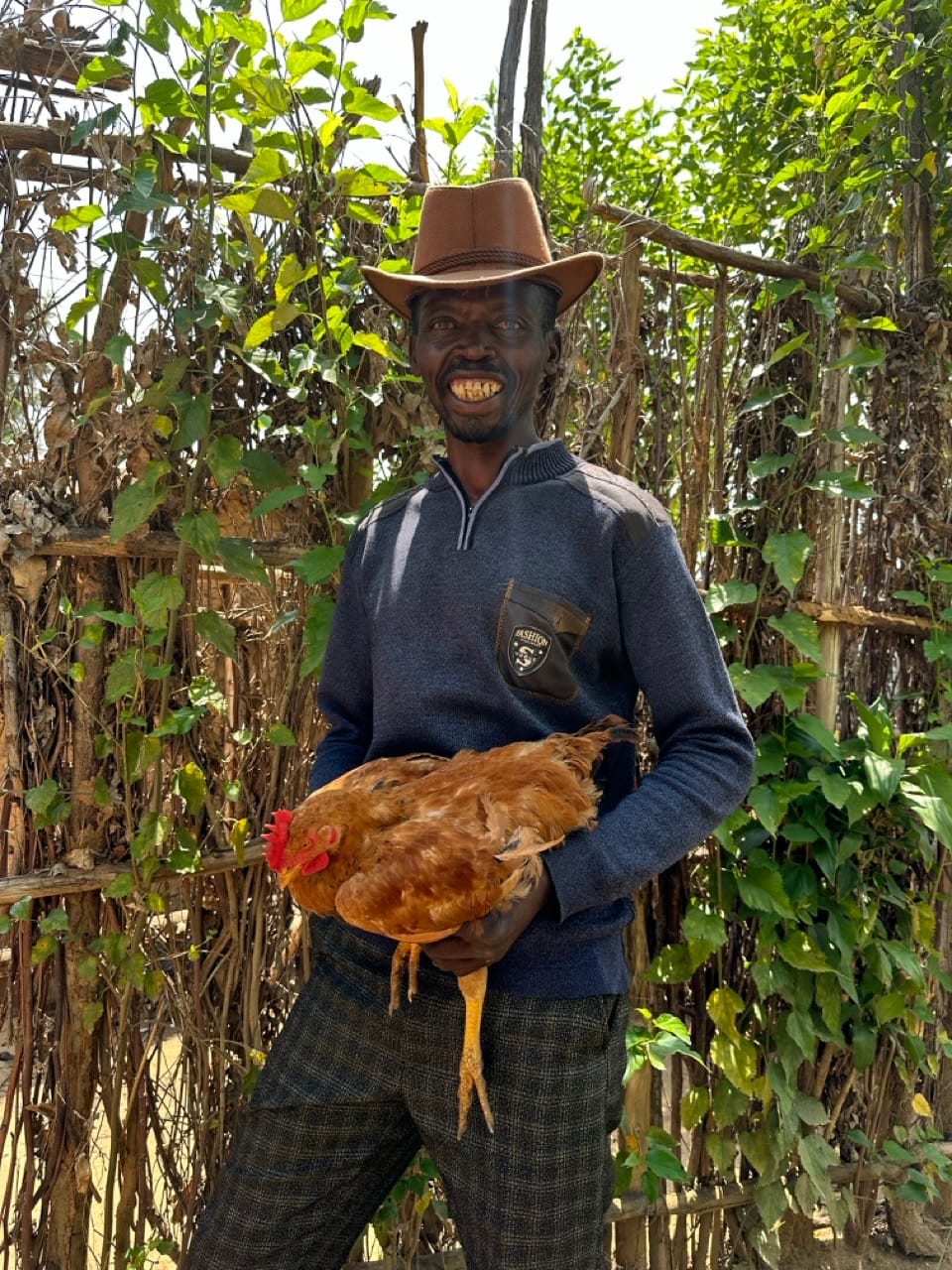
An exotic grevillea tree; Climbing bean poles made from grevillea; The native tree festival in the Kamonyi district; A previous winner with his chicken
How does this compare to how some people might imagine tree planting?
Really different. It’s not rows of seedlings in a huge cleared field. These are individual trees scattered across thousands of small farm plots. Decentralized and spread out – but the scale and impact are massive.
Did you experience any local culture or food?
Beautiful fresh avocados, local tea and coffee, fried plantain, and a lot of very spicy chili sauces!
If Ecosia users could see one thing from this trip, what would it be?
How proud the farmers are. They’d take us by the arm to the furthest corner of their property to show off their favorite tree from 2020 – how tall it’s grown and how healthy it looks. Their farms are transformed, with trees scattered everywhere, and they are genuinely proud.
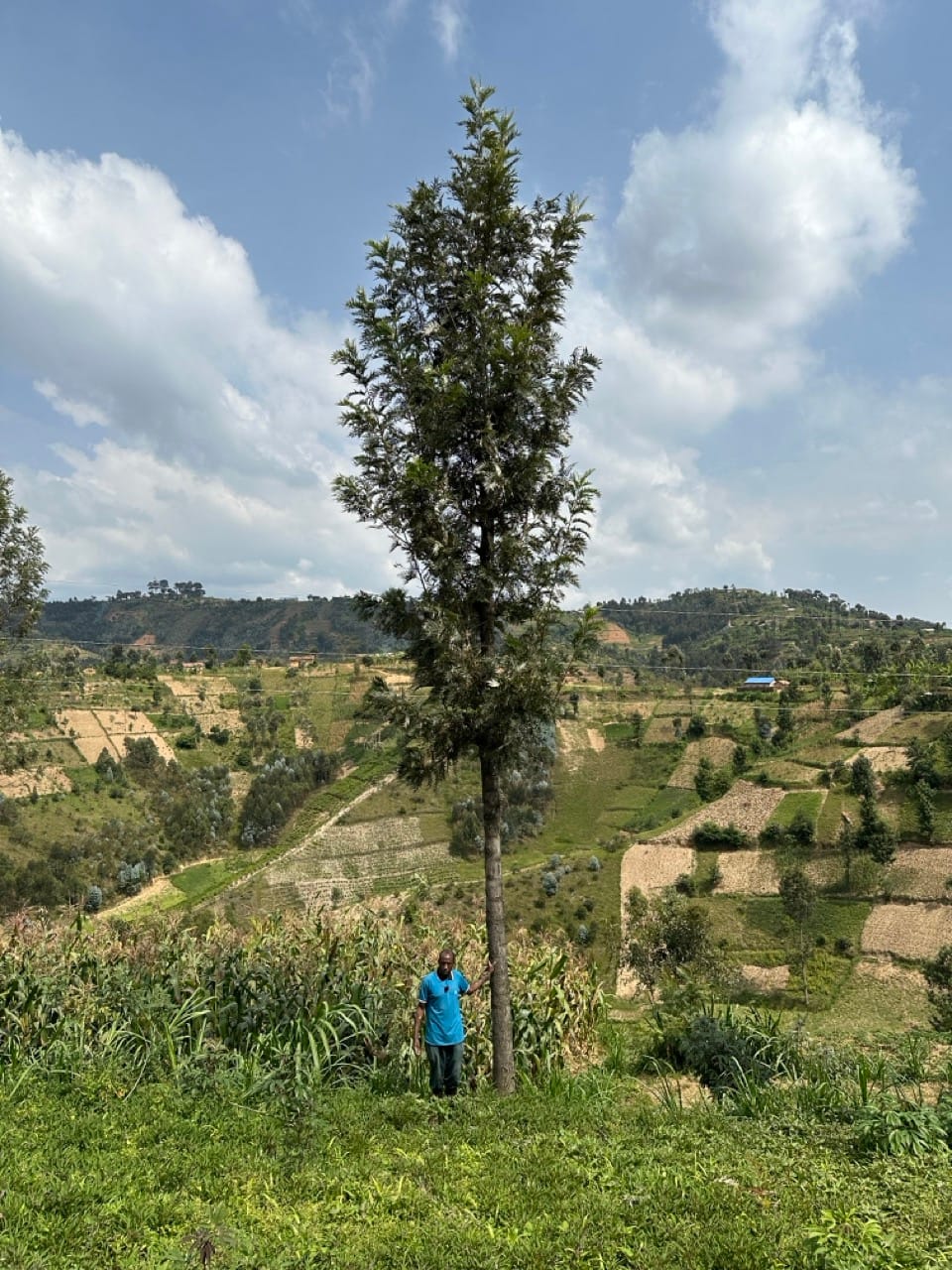
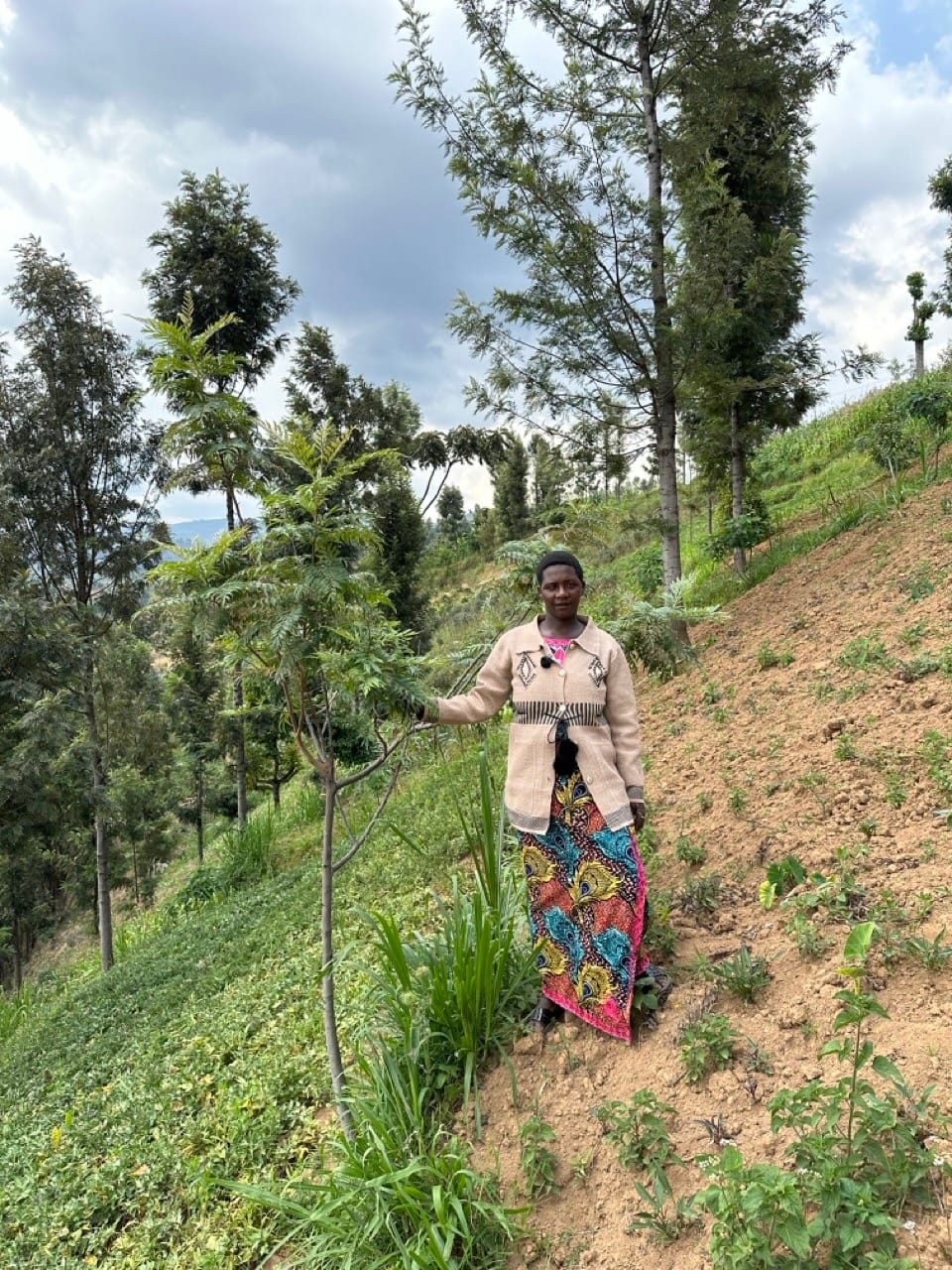
Farmers with established trees on their properties
What would you tell someone skeptical about tree planting projects after seeing this firsthand?
The logistics matter, and that’s where experienced partners make all the difference. One Acre Fund is a well-oiled machine. They have the right people in the right places, getting the seedlings in the ground and making sure they survive. Seeing that system in action is reassuring.
What's one thing you'll remember a year from now?
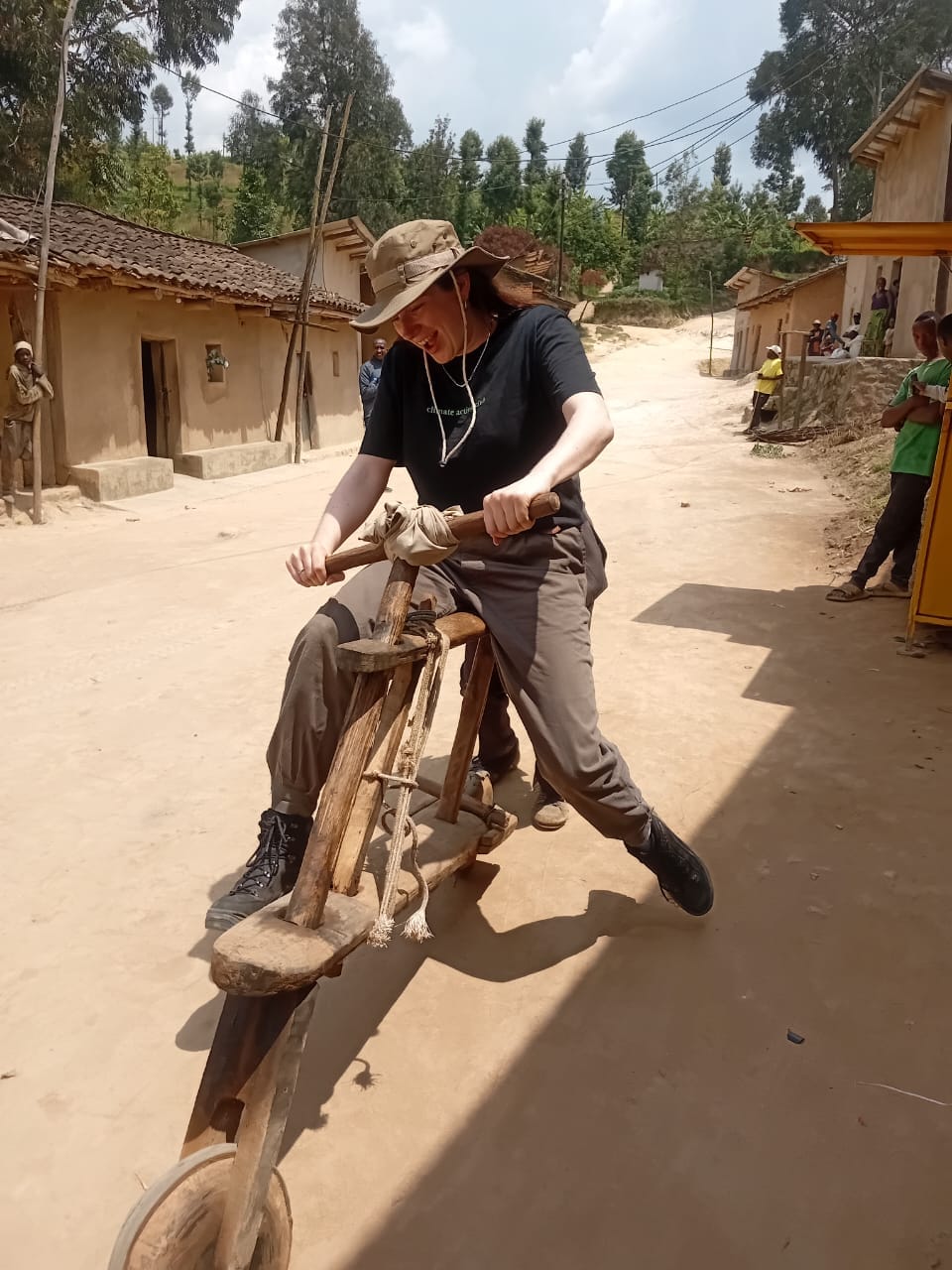
Arriving in remote villages that don’t see many outsiders and being welcomed so warmly. Sometimes people were skeptical at first about why I was there. But once they understood I was with Ecosia, documenting the project to bring more eyeballs to it leading to more funding and support, they were always very warm and quick to help us. It was very touching.
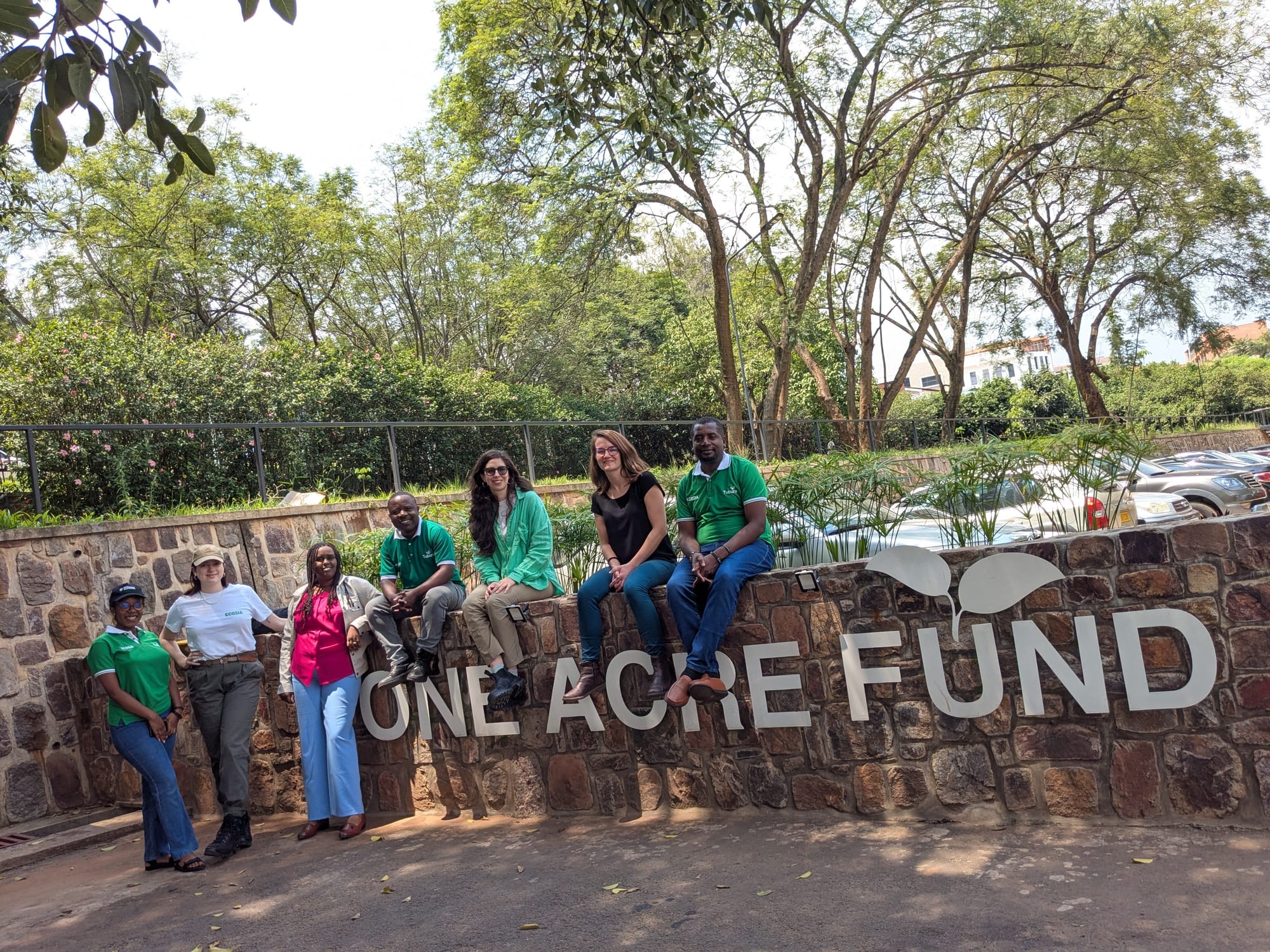
Harriette, Antonia and the One Acre Fund team
