Imagine starting a hike among ice-cold Andean highlands and finishing in a hot, humid jungle, all within the same province. This is possible in Manu, Peru. It’s one of the most biodiverse places on Earth, and it’s under threat from oil and gas companies. Our new partnership with Wilderness International and the Indigenous Shintuya people aims to change that and protect it for generations to come.
Why Manu is so full of life
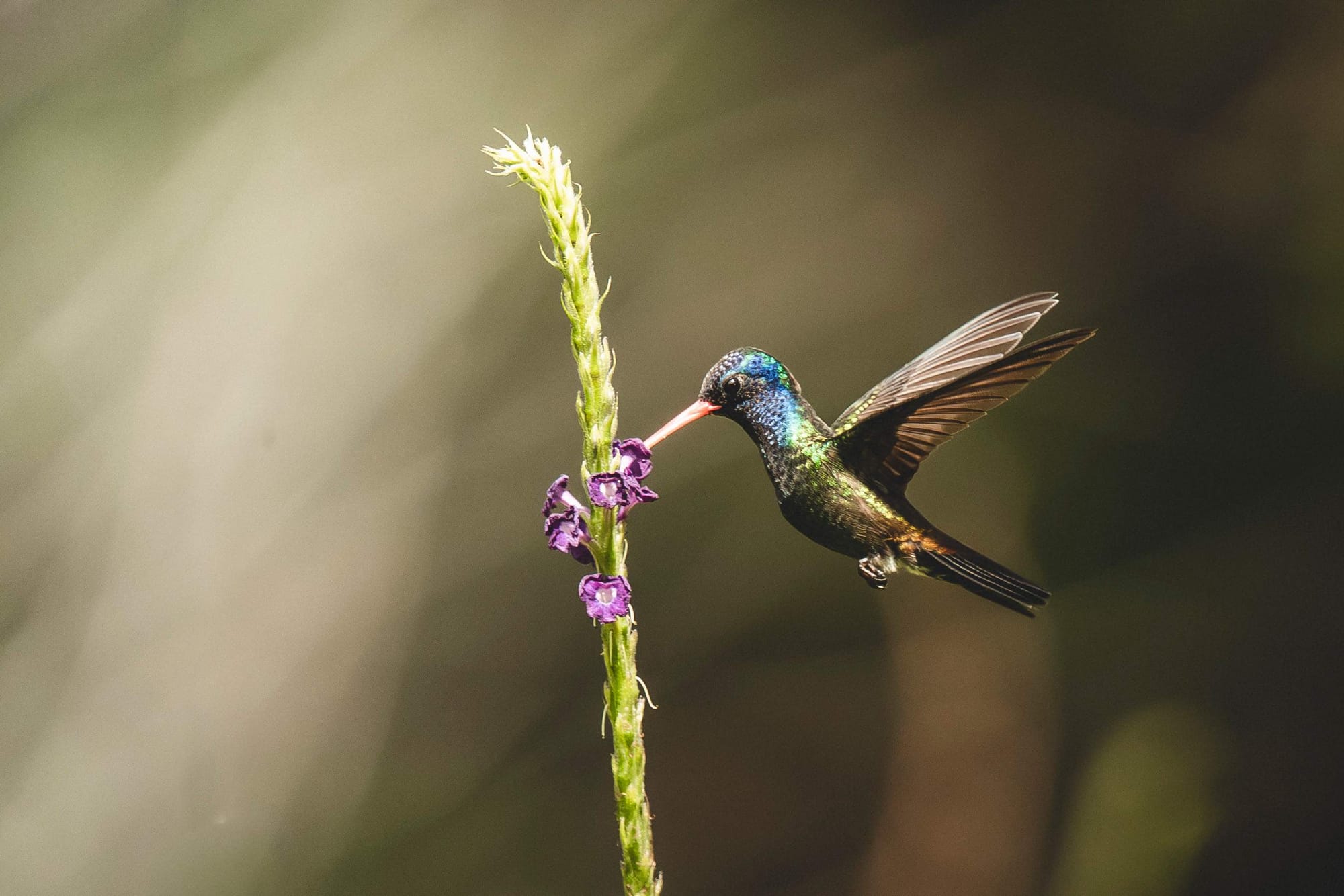
In the province of Manu there are up to 287 mammal species, 1,000 bird species and 15,000 plant species. Jaguars, giant otters, harpy eagles and lowland tapirs are just some of the fascinating creatures that call it home.
This huge variety is largely due to the region’s elevation range, stretching from 4,000 metres in the Andes down to 200 metres above sea level in the Amazon lowlands. The region traverses cloud forests, floodplains and rainforest, each with its own unique climate. In each zone, plants and animals have adapted in different ways, often just a short distance apart. Many species are found nowhere else on the planet.
Running through Manu is the Alto Madre de Dios river. It carries sediment down from the Andes, building sandbars and islands and regularly flooding the land around it. The river changes course and creates new habitats as it goes.
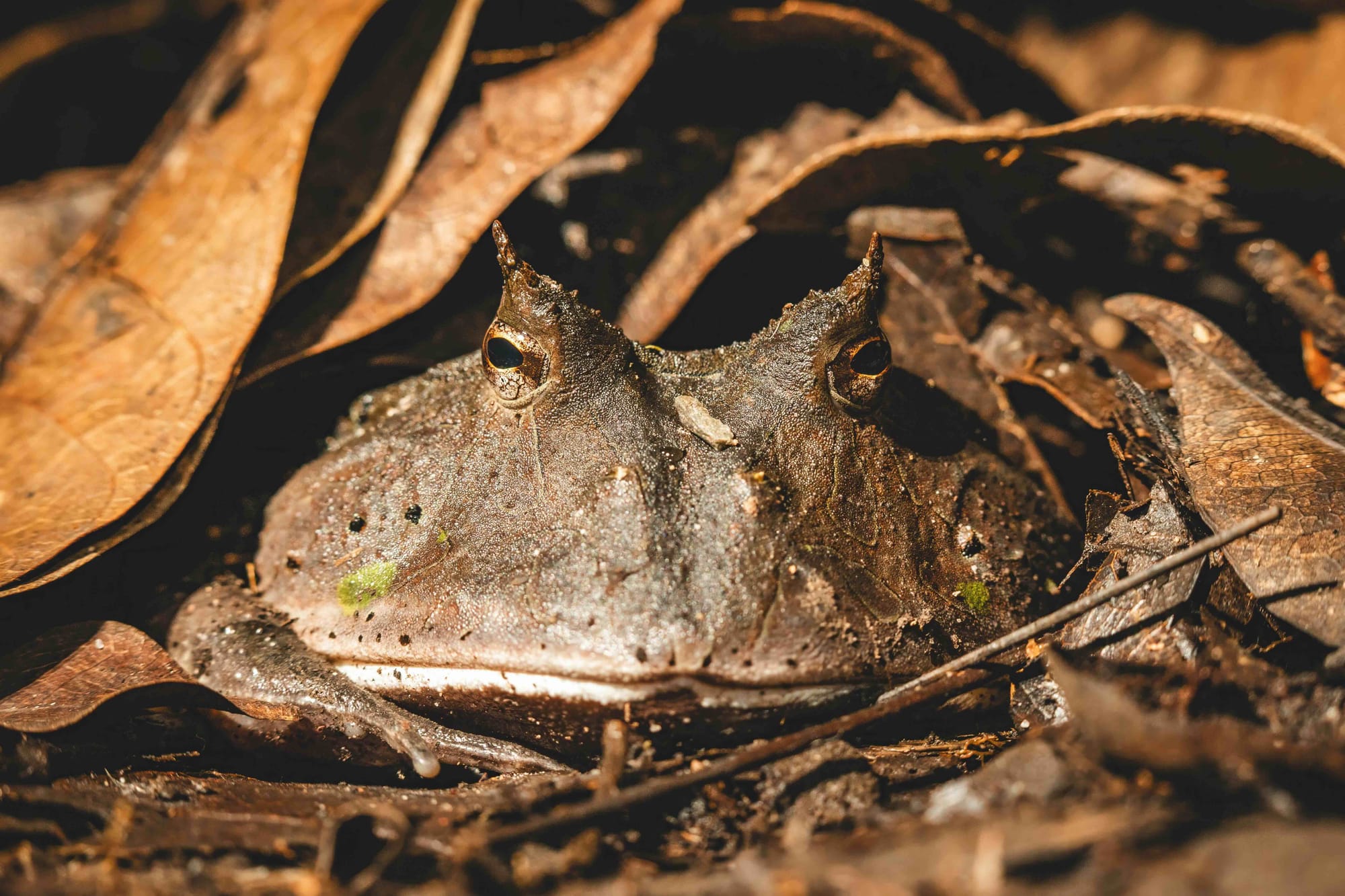
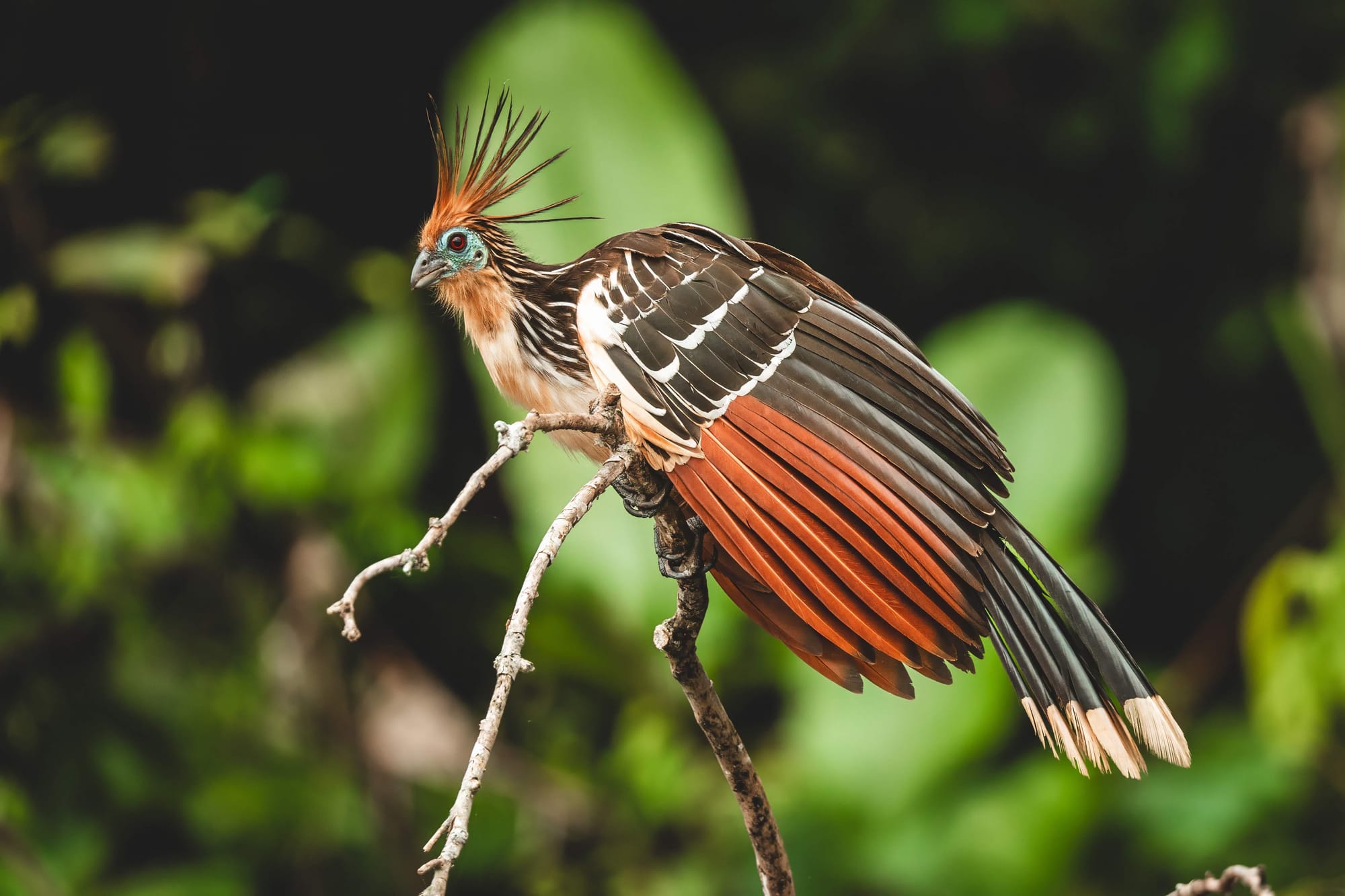
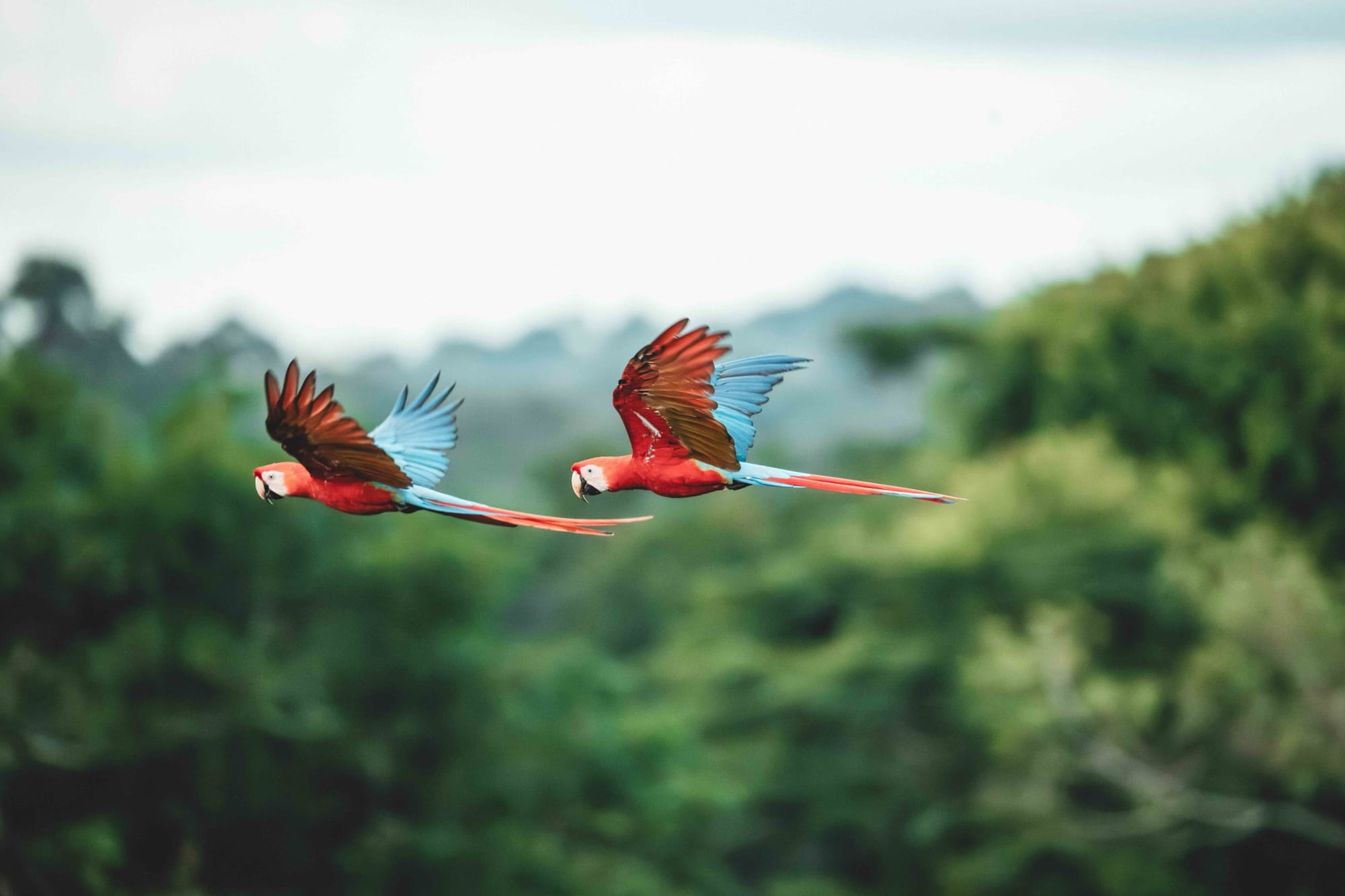
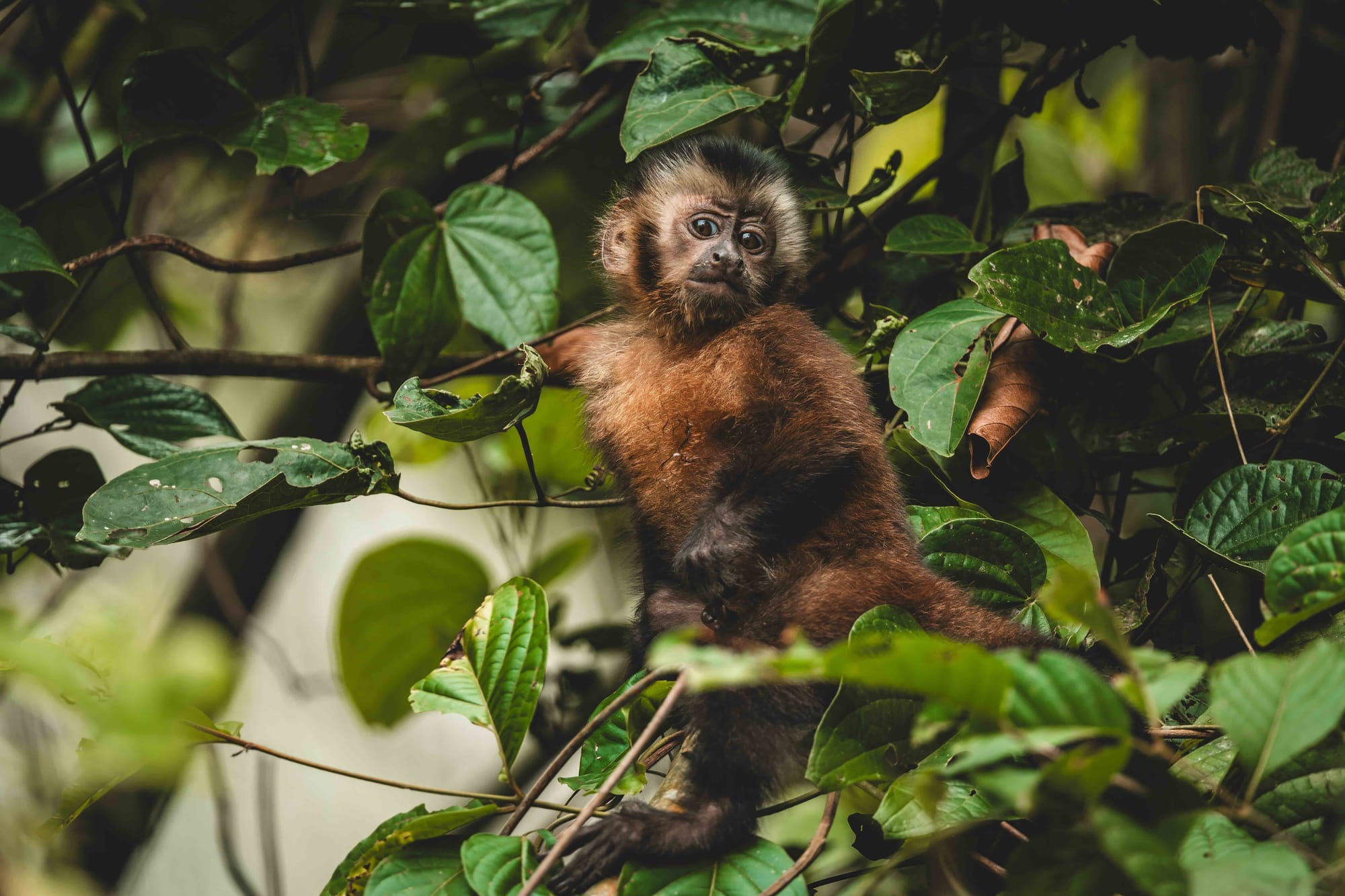
The region is home to incredible wildlife. Image credit: Wilderness International | Mattis Weber
Closing the gap in protection
This incredible biodiversity is recognised in the Manu National Park, which has UNESCO Biosphere Reserve status. Nearby, the Amarakaeri Communal Reserve is protected too.
However, the land between the two isn’t. Illegal logging and mercury-polluting gold mining are already eating into it, and a wide-ranging state concession for oil and gas development puts whole stretches of forest, including Indigenous territories, at risk.
Oil companies are particularly interested in this area due to a rare natural phenomenon: a stream where small amounts of oil seep naturally out of the rock, suggesting larger deposits may lie underground. Searching for them would mean deforestation, new roads and disrupted ecosystems. The Secret Forest Manu, the area we’re helping to protect, sits inside this existing concession, so securing it now really matters.
Creating the Secret Forest Manu
To close that gap, we’ve supported Wilderness International’s purchase of land to create a wilderness corridor linking the national park and the communal reserve. Wilderness International is an NGO that buys ecologically valuable and acutely threatened wilderness areas to hold in a legally secure manner, so they stay protected indefinitely.
As of September 2026, the Secret Forest Manu protects 1,200 hectares of intact forest, with more land purchases planned. This corridor gives wildlife more space to move between protected areas, broadens gene pools, and helps guard against future oil and gas extraction.
Standing with Indigenous communities
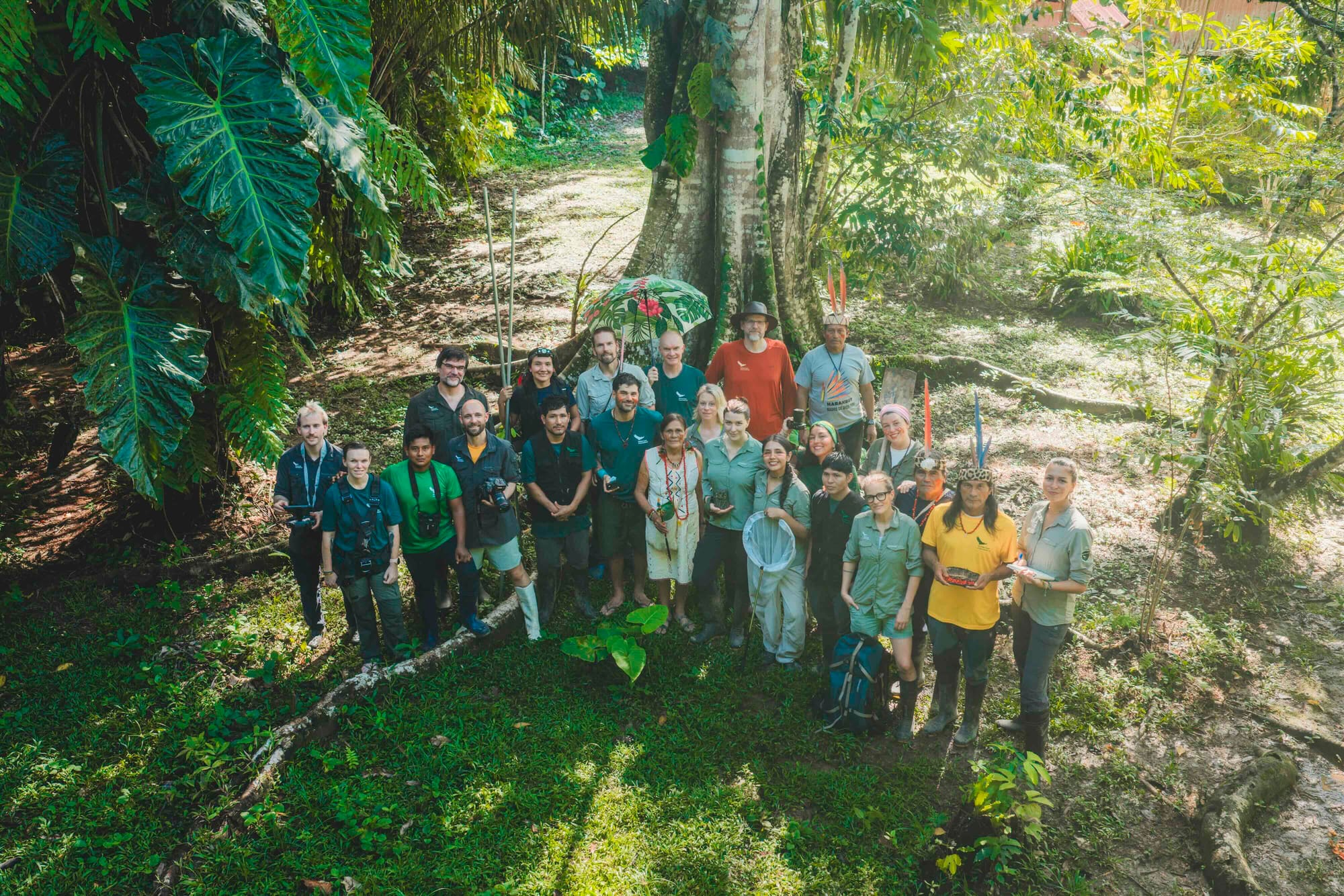
This land has guardians already. Several neighbouring Indigenous communities that share a language and culture have united as the Nacion Harakbut. They’ve resisted development for decades, defending their self-governance, cultural identity and legally recognised territories, and working to reclaim ancestral lands.
They face many challenges: oil and gas, gold mining, logging, outside land invaders and papaya monocultures. NGOs are among their most important allies, and a well-connected international presence makes the area less attractive to developers.
The Secret Forest borders the territory of the Shintuya community, a Harakbut community and long-standing friend of Wilderness International. When this land came up for sale, the Shintuya reached out directly for help in their fight against oil and gas interests.
The partnership’s main goal is to give their voice more international weight and strengthen the long-term protection of their territory. Together, they’re already reforesting cleared areas, setting up an agroforestry project, running environmental education at the local school and creating new income sources, such as forest ranger jobs.
Why this forest matters
Forests like this don’t protect themselves. They survive when land is secured and when the people who call it home are supported. The Secret Forest Manu is small, but it has a big job, and it’s only just getting started.
