Sometimes all it takes is an idea — and the courage to act on it. At Ecosia we’re celebrating the news that Berlin is getting a tree protection and planting law.
Late last year the Berlin senate unanimously approved 1 million trees for the capital – Ecosia’s home base! It’s a major step for climate adaptation and a reminder of what people-powered change can look like.
Here’s why this is so momentous, how it happened, and what it means for the future of Berlin and cities everywhere.
Why cities need tree laws
Cities around the world are heating up. Summers are getting hotter, concrete traps heat, and urban trees — which cool the air, provide shade, and make cities livable — are disappearing faster than they can be replaced.
At the same time, access to green spaces is often unequally distributed, making extreme heat a social justice issue. Low-income communities and older residents are disproportionately affected.
In short: most cities are not prepared for a hotter future. And while “climate mitigation” is widely discussed, climate adaptation — preparing cities for the impacts already here — has long been overlooked.
A citizen-led idea becomes a landmark law
This gap inspired the creation of a citizen initiative in Berlin, which had a clear goal:
to make the city more heat-resilient through a legally binding commitment to plant and protect trees, and to provide a blueprint for other cities worldwide.
The idea was formed by activist Heinrich Strößenreuther and myself (as head of Ecosia Germany). We pulled together a group of scientists, lawmakers and activists and defined our political demands. Together with volunteer law makers we developed a climate adaptation law, the first of its kind at a regional level in Germany.
The law is more than just planting and restoring trees across the city. It is a blueprint for how a city like Berlin can adapt to increasing temperatures, protect its citizens from heatwaves and stay cool and fresh throughout weather extremes.
The initial phase was fully financed and supported by Ecosia, but the beginning was still challenging. New ideas rarely gain immediate political momentum and until recently, climate adaptation had no proper lobby. But through persistent dialogue with media and policymakers, and inclusive communication with diverse citizens, support grew.
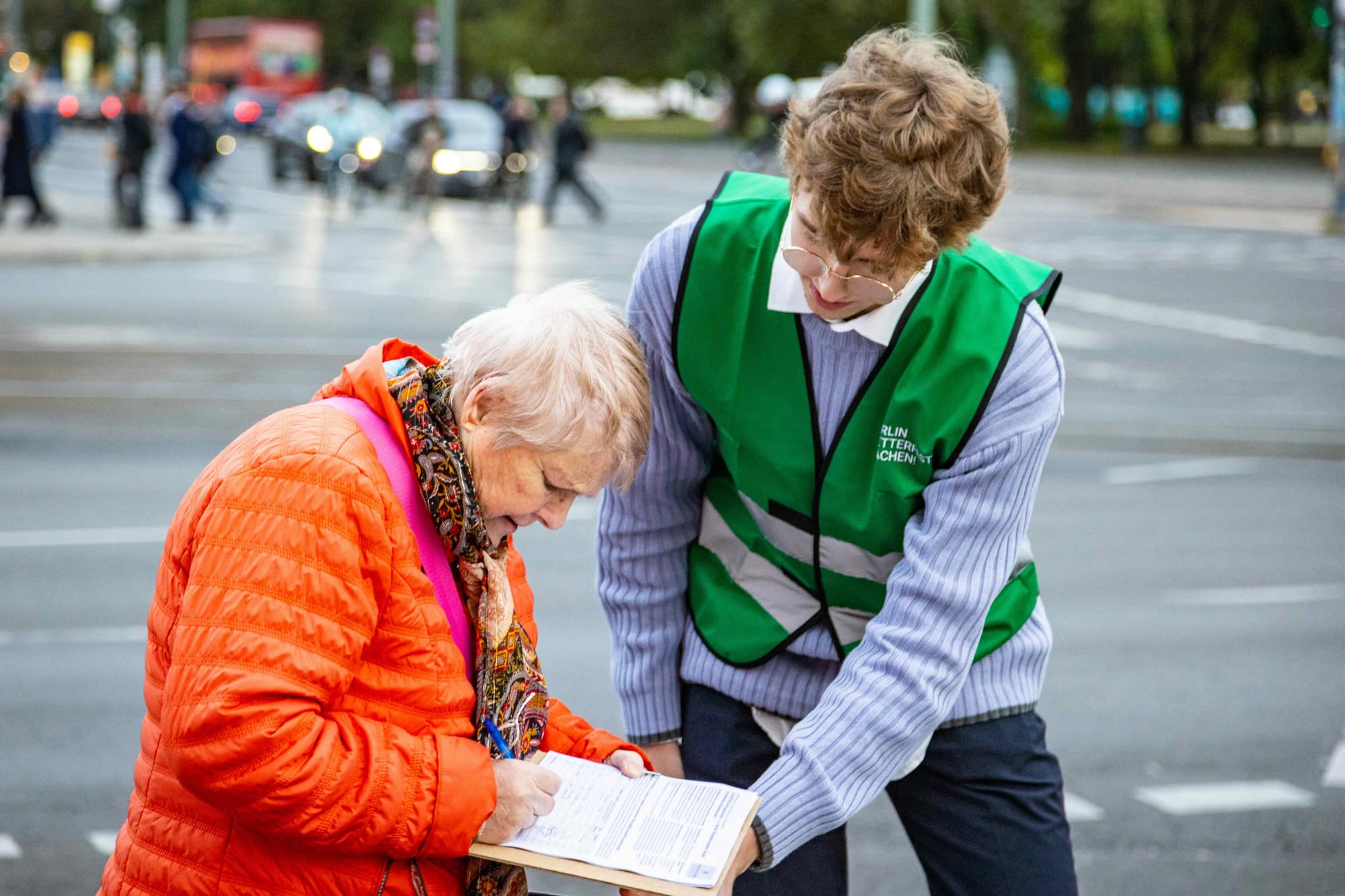
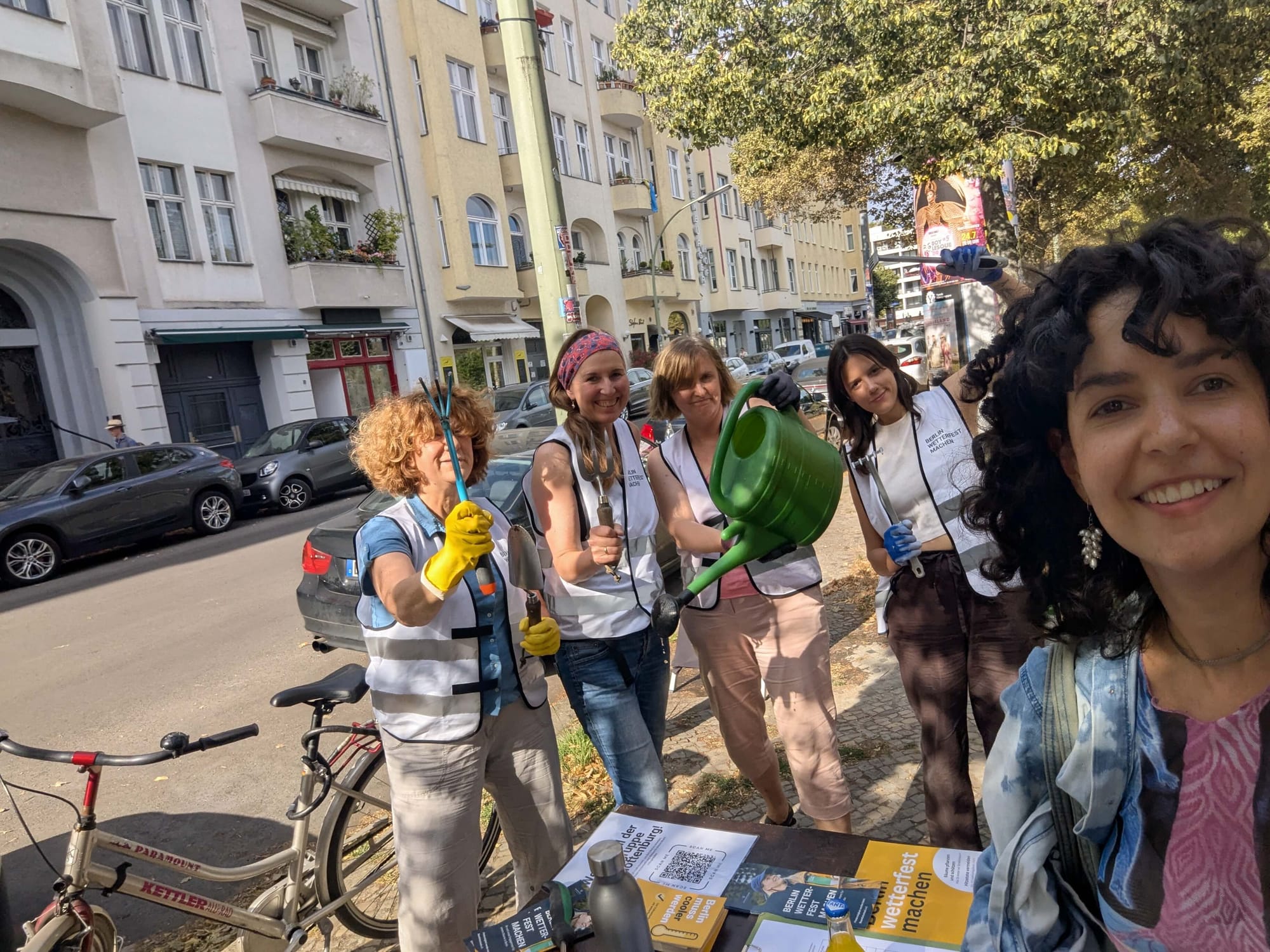
This was never the project of a few individuals. It was a movement: residents from all parts of the city, from all demographics and political leanings, contributed their time, conversations, signatures, and expertise. Their efforts demonstrated a powerful truth: climate adaptation deserves attention and action.
Within a short time, over 30,000 residents signed on to support the new law. This broad democratic backing created a force that could not be ignored and after months of constructive dialogue, the proposed tree law was adopted unanimously.
What does Berlin’s new climate adaptation law actually require?
The new law will help Berlin cope with rising temperatures, heavier rainfall, and longer droughts. It makes climate change adaptation a legal duty, aiming to make everyday life safer and more comfortable as heatwaves intensify.
The law requires the city to identify and prioritize improvements in the neighbourhoods suffering most from heat. These “heat districts” must be cooled using more trees, green spaces and shaded rest areas, aiming to lower peak temperatures by at least 2°C. Everyone should reach a park or “cooling island” within a short walk, especially in areas where people are most vulnerable to heat.
Clear targets and deadlines will make this happen. Streets need to be shaded with one tree every 15 metres on each side, bringing Berlin’s total street trees back up to at least 440,000 by 2027. Rainwater must be kept and reused instead of flushed into sewers, helping both cooling and flood prevention.
Berlin must also introduce heat emergency plans, regularly assess climate risks, and publish progress data publicly. If the city falls behind, it’s legally required to introduce emergency measures. Tree protection rules must be strengthened to prevent unnecessary removals and ensure replacement planting.
A local law with global significance
Turning an idea into reality requires more than passion — it demands trust, collaboration, and support. From the beginning, Ecosia believed in the mission and provided essential support to help the initiative grow.
The resulting law is more than a local environmental measure. It is proof that citizen engagement can reshape public policy, even on complex issues like climate resilience.
One million trees by 2040 for a cooler, fairer, and more future-ready Berlin. A law designed to create shade, protect vulnerable communities, and prepare a major European city for the climate challenges ahead.
And this is only the beginning. The movement will continue to grow, just like the trees it will help protect. Which city will be next?
